Discover 7 signs of low quality cement, how to test cement quality, and prevent bad cement effects with Star Cement’s trusted solutions.
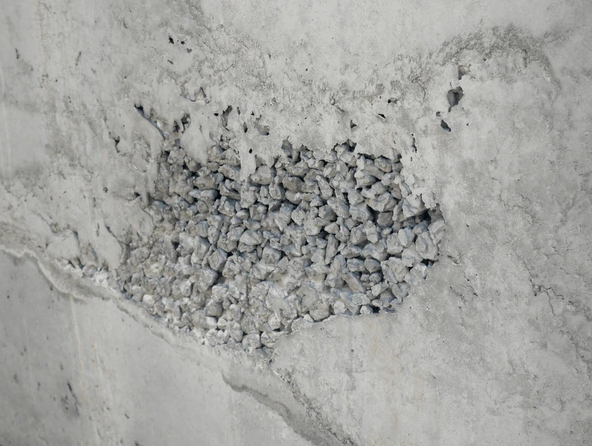
Cement is the backbone of construction, the binding force that determines whether a structure will stand strong for decades or start showing signs of weakness within a few years. Unfortunately, not all cement available in the market guarantees durability and reliability. Many builders, homeowners, and contractors unknowingly purchase low quality cement, risking both safety and money. The consequences can be devastating—from weakened structures to costly repairs and, in worst cases, structural failures.
Star Cement understands that choosing the right cement is not just a matter of preference but a matter of trust and safety. With years of expertise, world-class plants, and a commitment to innovation, Star Cement has ensured that its products maintain consistency and strength across every bag. But how can a customer recognize if they are being supplied with inferior materials? And what can be done about it?
This article explores the 7 major signs of low quality cement and explains what steps one can take to safeguard construction projects. It also outlines how to test cement quality, understand bad cement effects, and apply a reliable cement quality checklist through simple field tests.
Why Identifying Low Quality Cement is Crucial
The quality of cement directly impacts the strength, durability, and safety of every construction. Even the best architectural designs and top-grade raw materials cannot compensate for weak cement. Using low grade products not only leads to bad cement effects such as cracks, seepage, and structural instability but also increases long-term costs in maintenance and renovation.
By being aware of the warning signs of low quality cement, customers can protect their investments, ensure compliance with construction standards, and build structures that withstand time and weather.
1. Unusual Color or Appearance
One of the most visible indicators of low quality cement is its color. Good cement typically has a uniform grey shade with a slight greenish tint. If the cement appears excessively whitish, brownish, or shows inconsistent coloring, it may indicate adulteration or poor manufacturing processes.
- Cement that is too dark may contain excess clay or impurities.
- A lighter shade could signal under-burning during the production process.
In both cases, the strength and setting properties of the cement are compromised. Star Cement ensures strict monitoring during production to maintain the correct chemical composition and consistency across batches. Visit Star Cement’s website for more on its operations and product range.
2. Presence of Lumps
When opening a cement bag, lumps are an immediate red flag. These lumps are often formed when cement absorbs moisture during storage or transportation. Once hydration begins, the cement loses its binding properties, making it unsuitable for construction.
While minor lumping can sometimes be broken and used in non-structural work, visible hard lumps can indicate potential bad cement effects when the material is used in major construction. To avoid this, Star Cement follows advanced packaging systems and advises customers on best practices for cement storage to prevent exposure to moisture.
3. Delayed Setting Time
Good cement sets within a predictable time frame. If your cement takes unusually long to set, it could indicate adulteration with substances like excess gypsum or poor quality raw materials. This is a serious concern associated with low quality cement, as it can lead to construction delays and affect the strength of concrete.
Contractors often notice this issue during concreting or plastering, where the mixture remains soft for an extended period. One of the recommended steps from the cement quality checklist is to perform field tests to observe setting time. At Star Cement, rigorous laboratory checks are carried out to ensure its cement meets the Bureau of Indian Standards (BIS) requirements for setting time.
4. Weak Strength in Cube Test
A simple yet effective method for understanding how to test cement quality is the cube test, where cement mortar cubes are cast and tested for compressive strength after curing. If the cubes fail to meet strength benchmarks, the cement is unsuitable for structural work.
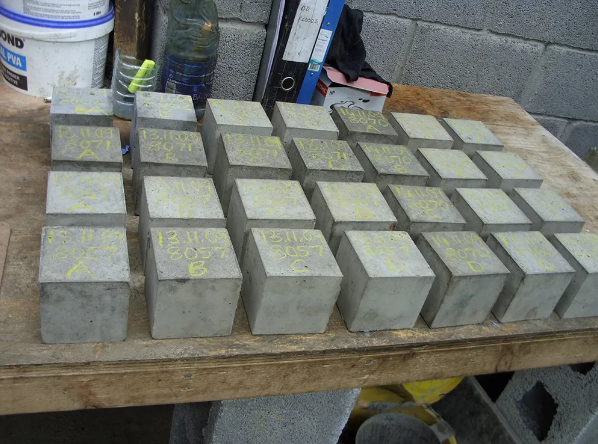
Low strength is one of the most evident bad cement effects, directly threatening the safety of a building. Weak concrete can lead to micro-cracks, instability, and collapse in extreme cases. Star Cement maintains ultra-modern testing facilities at its plants to ensure every batch achieves superior compressive strength. Its customers can rest assured that every structure built with its products carries uncompromised durability.
5. Excessive Fineness or Coarseness
Cement should have a fine texture that feels smooth when rubbed between fingers. If it feels gritty, it indicates improper grinding during manufacturing. Conversely, an unusually fine texture may indicate irregular processing or other quality concerns.
Texture plays a major role in water absorption, strength, and workability of concrete. A proper cement quality checklist always includes physical examination as one of the easiest field tests that can be conducted on-site. At Star Cement, the company’s state-of-the-art plants use the latest grinding units to ensure cement particles are within the ideal fineness range, maximizing strength and performance.
6. Poor Soundness Results
Soundness refers to the cement’s ability to resist expansion after setting. Unsound cement tends to expand, leading to cracks and loss of structural integrity. This is a less obvious indicator of low quality cement since it cannot be detected visually but must be tested.
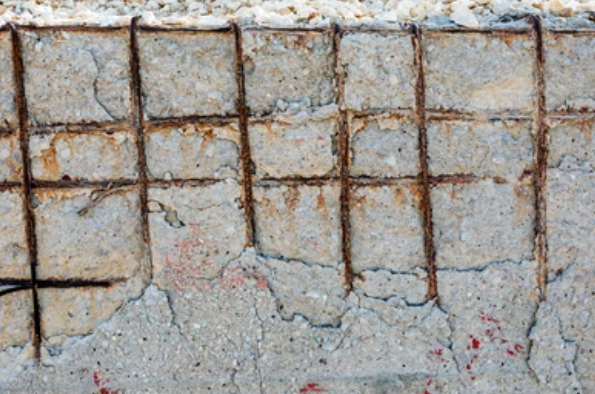
Unsoundness often results from excess lime or magnesia in the mix. Builders who overlook this aspect often face bad cement effects such as plaster peeling, hollow sounds in walls, and surface cracks. By conducting field tests like the Le Chatelier test, one can ensure cement stability. At Star Cement, advanced laboratories conduct rigorous soundness checks to guarantee its products deliver long-term durability.
7. Poor Packaging and Brand Reliability
Finally, the way cement is packaged and the credibility of its manufacturer reveal much about its quality. Low quality cement is often sold in poorly sealed bags, without proper labeling or BIS certification marks. Some local suppliers even mix inferior materials with branded cement bags to mislead customers.
Star Cement has built its reputation on trust, transparency, and technological excellence. Its packaging follows strict guidelines to prevent tampering and ensure moisture protection. Choosing a reliable manufacturer is not only a way to avoid bad cement effects but also a step toward sustainable construction practices.
How to Test Cement Quality: Simple On-Site Methods
Recognizing poor cement isn’t just about laboratory testing. Builders and homeowners can perform simple field tests to assess the material before use. These include:
- Visual Inspection: Uniform color and absence of lumps.
- Touch Test: Smooth texture with no grittiness.
- Float Test: A handful of cement should float momentarily when thrown into water before sinking.
- Temperature Test: Fresh cement should feel cool when hand-inserted into a bag.
These simple checks, part of the cement quality checklist, can save thousands in repairs and prevent safety hazards. For more technical guidance on how to test cement quality, Star Cement’s technical support team is available to advise customers. Visit Star Cement Contact Page for assistance.
What Happens When You Use Low Quality Cement
The consequences of poor cement are not immediate but appear gradually, leading to expensive and sometimes irreparable damage. Some of the common bad cement effects include:
- Cracks in walls and ceilings within a few years of construction.
- Water seepage and dampness due to porous concrete.
- Structural instability, especially in multi-storey buildings.
- High repair and renovation costs, making the project uneconomical.
At Star Cement, the company stresses that prevention is always better than cure. Choosing certified, high-quality products from trusted cement manufacturers is the simplest way to avoid these problems altogether.
Why Star Cement is the Right Choice
Star Cement is one of the most trusted names in the industry, with state-of-the-art manufacturing plants in North East India and Bengal. The company’s commitment to quality is backed by automated processes, strict BIS compliance, and continuous innovation.
- Our Portland Pozzolana Cement (PPC) is known for durability and resistance to chemicals.
- Ordinary Portland Cement (OPC) is ideal for high-strength applications.
- Specialized products like Star Weather Shield Cement and Star Dhalai Master Cement are designed for unique construction needs.
By focusing on sustainability, customer trust, and performance, Star Cement ensures that no project falls victim to the dangers of low quality cement.
A Practical Cement Quality Checklist for Buyers
Every builder, contractor, or homeowner should adopt a systematic approach when purchasing cement. A cement quality checklist ensures that the product you buy is genuine, safe, and long-lasting. The checklist should include:
- Verify BIS certification and manufacturer details on the bag.
- Check packaging for moisture-proof seals.
- Perform basic field tests before bulk purchase.
- Store bags in a dry, ventilated place away from moisture.
- Purchase only from authorized dealers.
At Star Cement, the company’s dealer network ensures authenticity and reliability across every transaction.
Take Action: Choose the Right Cement Today
If you notice any of the warning signs mentioned above, it’s time to act immediately. Continuing with low quality cement will only multiply risks and costs. Whether you are a contractor, an architect, or a homeowner, making the right choice today ensures peace of mind tomorrow.
Visit Star Cement’s website for more details on its wide range of products, sustainable practices, and advanced manufacturing. For inquiries, dealer information, or technical support, reach out through its Star Cement Contact page.