
Explore vastu tips for compound wall design, ideal directions, and high-performance cement from trusted cement manufacturers like Star Cement.
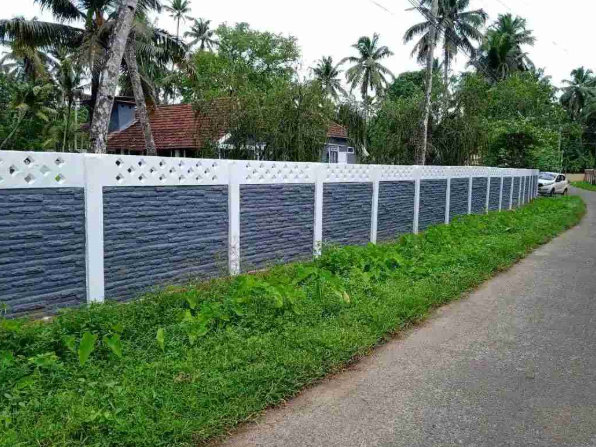
In modern construction, the compound wall is often treated as a mere boundary structure. However, in traditional Indian architecture, it carries deep symbolic and energetic significance. Star Cement understands that designing a home aligned with Vastu principles begins with laying the right foundation—not just for the home itself, but for the space that surrounds it. This is why paying attention to Vastu tips for compound wall design is essential for anyone aiming to build a home that fosters peace, protection, and prosperity.
This comprehensive guide explores how homeowners can implement effective Vastu tips for compound wall alignment using strong, durable construction materials. With decades of experience in delivering top-quality cement products like STAR WEATHER SHIELD CEMENT, PORTLAND POZZOLANA CEMENT (PPC), and ORDINARY PORTLAND CEMENT (OPC), Star Cement is committed to helping families build not just structures—but sanctuaries.
Why Compound Walls Matter in Vastu Shastra
According to Vastu Shastra, the compound wall is not just a protective structure; it is a spiritual boundary that governs the flow of energy into the home. The placement, height, direction, and even the materials used in the compound wall significantly influence a home’s harmony with the natural elements.
This boundary should be built in a way that blocks negative energy while welcoming positive vibrations, ensuring a peaceful and balanced living environment for its occupants.
As a leading cement manufacturer in India, Star Cement recognizes that the first line of defense for any home is the strength of its compound wall. Therefore, it is recommended to incorporate both structural integrity and Vastu guidance into the planning process.
Ideal Direction and Placement of Compound Walls
One of the core Vastu tips for compound wall design is the directional alignment of the wall in relation to the plot. The height and placement of each wall should vary based on its directional orientation.
Northern and Eastern Walls
- These should ideally be lower in height.
- This allows the beneficial energies from the North (linked to wealth) and East (linked to health and prosperity) to enter the home freely.
Southern and Western Walls
- These walls should be taller and thicker to protect the home from harmful energy flows.
- Building higher walls in these directions ensures security, stability, and financial wellbeing.
Advanced products like STAR WEATHER SHIELD CEMENT are specially formulated) to withstand external environmental stressors, making them an ideal choice for compound walls in the South and West directions.
Learn more about STAR Weather Shield Cement here.
Recommended Materials for Vastu-Compliant Compound Walls
A Vastu-compliant compound wall is not just about direction and height—it’s also about the materials you choose. The wall should exude strength, stability, and a sense of permanence. This is why high-quality cement plays a pivotal role in its construction.
Star Cement provides a range of high-performance cement products ideal for such construction:
- PORTLAND POZZOLANA CEMENT (PPC): Known for its durability, low permeability, and superior workability.
- ORDINARY PORTLAND CEMENT (OPC): Offers fast setting time and strong foundational support.
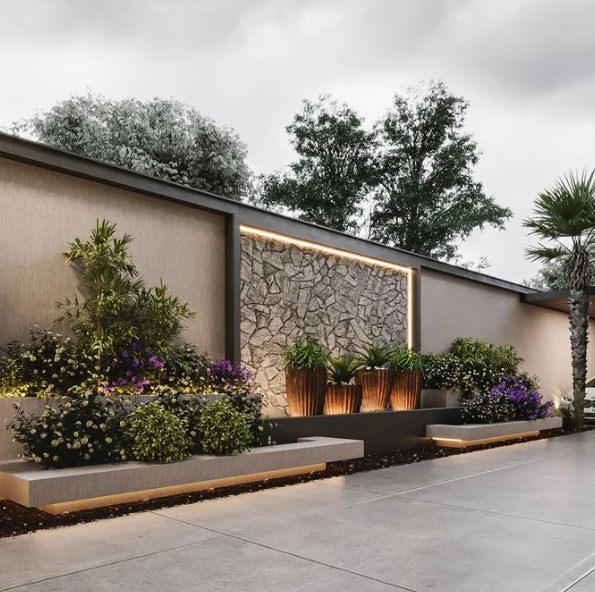
Both options are ideal for compound wall construction and align well with Vastu principles, which prioritize sturdiness and permanence.
Learn more about Star Cement's cement products to choose the best option for your compound wall design.
Key Secondary Elements to Consider in Compound Wall Vastu
In addition to height and direction, Vastu Shastra recommends careful consideration of certain secondary elements that enhance the wall's energetic impact.
1. Gate Placement
Gateways act as portals for energy flow. Ideally, they should be in the North or East of the compound wall. This encourages the flow of positive energy and abundance into the household.
2. Wall Continuity
Avoid abrupt starts and ends. The wall should be continuous without any irregular curves or sharp corners.
3. Colors and Finish
Light, earthy shades like white, cream, and beige are recommended. Star Cement’s products are compatible with exterior finishes that allow for both strength and aesthetic harmony.
Avoiding Common Vastu Pitfalls in Compound Wall Construction
While incorporating Vastu tips for compound wall design, it's also crucial to avoid commonly overlooked mistakes that may lead to disharmony:
- Avoiding uneven heights across directions.
- Preventing broken or incomplete sections in any part of the wall.
- Not placing the wall before house construction — according to Vastu, the compound wall should ideally be constructed before the main building.
Star Cement recommends consulting both an architect and a certified Vastu consultant before finalizing the wall design. ) Using Star Cement’s high-performance cement, you can be assured of a structure that is compliant, strong, and future-ready.
Ensuring Longevity and Protection with High-Quality Cement
A compound wall is exposed to a variety of external factors—rains, sun, pollution, and physical pressure. Therefore, the choice of cement is vital in ensuring the wall’s long-term durability and Vastu effectiveness.
STAR DHALAI MASTER CEMENT, designed for superior binding and weather resistance, is particularly suitable for this purpose. It ensures:
- Reduced chances of cracks and seepage.
- Enhanced load-bearing capacity.
- Longevity even in challenging weather conditions.
To know more about how Star Cement’s plants ensure quality, visit: Star Cement Plants
How Star Cement Helps Build a Vastu-Compliant Perimeter
As one of the most trusted cement manufacturers in the Eastern and Northeastern regions of India, Star Cement supports homeowners, architects, and builders in designing Vastu-aligned properties. Whether you're planning an independent house, a gated community, or a commercial complex, starting with the right compound wall sets the tone for everything that follows.
Our manufacturing plants in Meghalaya, Assam, West Bengal, and Bihar follow strict quality protocols to deliver consistent strength and finish in every bag. Star Cement not only supplies cement but also provides consultative support through its network of construction professionals and Vastu-informed partners.
For any assistance regarding choosing the right cement or designing your space, feel free to contact the Star Cement team.
Incorporating Vastu Energy with Landscaping and Entrances
Along with the physical structure, the compound wall’s synergy with landscaping elements also plays a vital role in enhancing Vastu energy. Here are a few additional tips to align with the broader principles:
- Place tulsi plants or sacred symbols near the Eastern wall for purification.
- Ensure that trees and plants do not obstruct the gate or entryways.
- Use stone or concrete statues of divine figures in the North-East corner for spiritual protection.
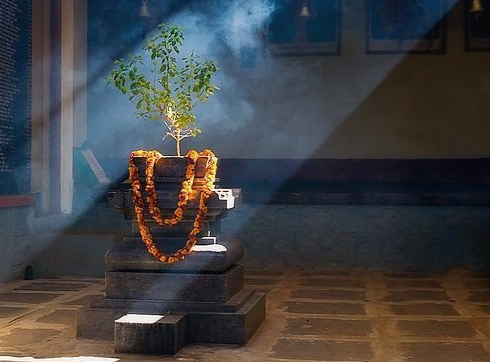
All these tips amplify the overall impact of implementing Vastu tips for compound wall construction, especially when done using strong cement that doesn’t erode over time.
Related Vastu Considerations for Outer Walls and Boundaries
Apart from just the compound wall, Vastu principles for walls and boundaries extend to external walls of garages, outbuildings, or perimeter walls in commercial projects. The principles remain similar:
- Tall walls in South and West
- Low and open walls in North and East
- Appropriate spacing between the compound wall and the main structure
The use of weather-resistant cement is recommended for all these applications to ensure structural integrity and lasting spiritual benefit.
Real Results: What Our Customers Say
Homeowners who have used Star Cement products for their Vastu-compliant homes have shared feedback on the strength, consistency, and ease of application of our products.
In fact, many architects and Vastu consultants now routinely recommend our products during their consultations. With a firm belief in quality, integrity, and trust, Star Cement continues to support homeowners across India in building structures that truly stand the test of time—and energy.
Build Your Home’s Energy Shield with Star Cement
Your home is your sanctuary—and its compound wall is the first layer of protection. Whether you are constructing a new home or redesigning your boundary layout, following Vastu tips for compound wall design will help bring long-term peace, positivity, and security.
With Star Cement’s range of high-performance cement products, you get more than just a construction material—you get a trusted partner in creating a home aligned with both science and spirituality.
Let Us Help You Build Better
Visit the Star Cement Contact Page to connect with the expert team for guidance on selecting the right cement for a Vastu-compliant boundary design. From its manufacturing plants to construction sites across the country, Star Cement helps build a better, more balanced future—brick by brick.
Disclaimer: The information provided in this article is based on the traditional principles of Vastu Shastra and is intended for educational and informational purposes only. The application of Vastu Shastra principles in cement-based home construction should be undertaken in consultation with qualified professionals who have expertise in both modern construction techniques and Vastu Shastra guidelines. The author and Star Cement shall not be held responsible for any direct, indirect, incidental, or consequential damages arising from the use or misuse of the information provided herein. It is recommended to seek guidance from licensed architects, engineers, and Vastu experts to ensure compliance with local building codes and regulations. Additionally, adapt the principles to the specific requirements of your construction project.