Discover construction standards for earthquake prone areas with Star Cement building safety tips, quality assurance, and disaster resistant design for safer homes.
In a country like India, where natural disasters such as earthquakes are unpredictable yet devastating, building safe and durable homes is not just a choice, it’s a necessity. Star Cement recognizes the vital role that construction plays in protecting lives and property. Its mission has always been to provide the highest quality materials and expert guidance to ensure that structures can withstand seismic activity while offering peace of mind to homeowners.
By following strict construction standards for earthquake prone areas, homeowners, builders, and developers can significantly reduce the risks associated with seismic disasters. This blog delves into the importance of these standards, best practices for earthquake-resistant construction, and how Star Cement products and expertise can help you build safer, stronger, and more sustainable homes.
Understanding the Need for Strict Construction Standards
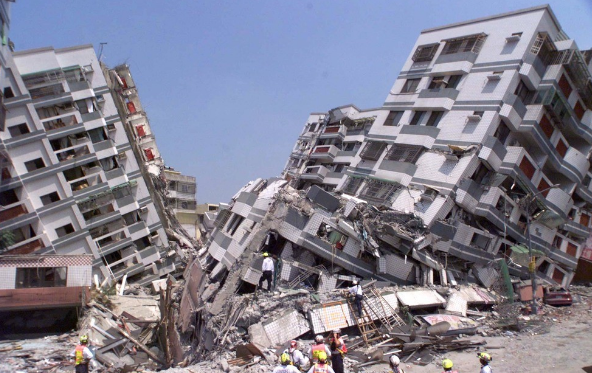
Earthquakes strike without warning, leaving behind a trail of destruction. According to the National Disaster Management Authority (NDMA), India is highly vulnerable to earthquakes, with nearly 58% of its landmass prone to moderate or severe seismic activity. This makes adhering to construction standards for earthquake prone areas essential for reducing potential damage and loss of life.
Why Earthquake-Resistant Construction Matters
- High population density: Urban centers are densely populated, making structural integrity crucial to prevent mass casualties.
- Vulnerable rural areas: Many homes in rural India are still constructed using traditional methods that do not meet modern safety requirements.
- Economic impact: The cost of rebuilding after a major earthquake is often far greater than the initial investment in safe construction practices.
Star Cement believes that prevention through strong design and quality materials is far more effective than dealing with the aftermath of a disaster. By promoting high-quality cement and proper construction techniques, Star Cement helps safeguard families and communities.
Key Construction Standards for Earthquake Prone Areas
In India, several codes and guidelines define how structures should be built in seismic zones. Following these standards ensures that homes and buildings are resilient against earthquake forces.
1. National Building Code (NBC) Guidelines
The NBC provides comprehensive instructions for planning, design, and construction in seismic zones. It covers aspects such as:
- Structural design for stability and strength
- Use of certified materials like premium-grade cement and concrete
- Safety measures during construction
2. Bureau of Indian Standards (BIS) Codes
The BIS has issued specific codes to address seismic safety, such as IS 1893 for earthquake-resistant design and IS 13920 for ductile detailing of reinforced concrete structures. Compliance with these codes is mandatory for builders operating in high-risk zones.
Star Cement advocates using these codes when designing and constructing buildings. It also ensures that its products meet the highest industry benchmarks, aligning with the construction standards for earthquake prone areas.
3. Quality Checks for Building Materials
Earthquake-resistant design is only as strong as the materials used. Poor quality cement can compromise the structural integrity of an entire building. This is why Star Cement’s products, such as Star Dhalai Master Cement, Portland Pozzolana Cement (PPC), and Ordinary Portland Cement (OPC), are manufactured under stringent quality controls.
Readers can visit Star Cement’s website to explore its range of products designed for durability and safety.
Star Cement’s Role in Promoting Safety
Building earthquake-resistant homes requires not just adherence to codes, but also practical guidance and superior materials. This is where Star Cement plays a pivotal role.
Star Cement Building Safety Tips
Star Cement’s team actively educates builders, contractors, and homeowners through workshops and resources that focus on:
- Selecting the right grade of cement for structural needs
- Proper curing techniques for long-term strength
- Safe handling and storage of cement to maintain quality
- Awareness of government seismic guidelines and local building codes
By implementing Star Cement building safety tips, communities can construct homes that stand strong even in challenging seismic conditions.
Star Cement Quality Assurance
Star Cement prides itself on delivering not just cement, but trust. Its quality assurance processes include:
- Automated manufacturing plants: Advanced technology ensures consistent quality in every bag of cement.
- Rigorous testing: Each batch undergoes strict tests to meet BIS standards.
- Sustainable practices: Its production methods focus on minimizing environmental impact while maintaining product performance.
Readers can learn more about its operations and customer support through the Star Cement Contact page.
By maintaining unwavering quality, Star Cement quality assurance ensures that every structure built with its products has a solid foundation for safety and resilience.
Disaster Resistant Design for Safer Structures
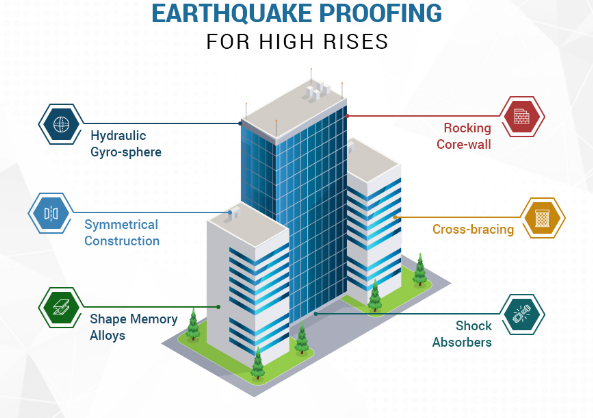
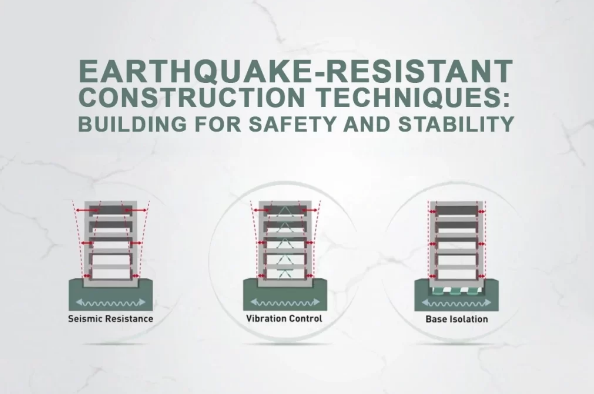
A key concept in earthquake-proof construction is disaster resistant design. This involves creating structures that can withstand seismic forces by integrating specific engineering principles.
Key Features of Disaster Resistant Design
- Lightweight Materials: Reducing the weight of non-structural components decreases seismic load.
- Flexible Framework: Structures designed to sway slightly during an earthquake absorb energy rather than crack or collapse.
- Strong Foundations: Deep and well-reinforced foundations prevent uneven settling during tremors.
- Quality Cement and Concrete: Using reliable products like those from Star Cement ensures long-term durability.
Adopting these design principles not only makes homes safer but also aligns perfectly with construction standards for earthquake prone areas.
Practical Steps for Earthquake Safety in India
Ensuring earthquake safety in India goes beyond individual buildings; it requires a holistic approach that includes government action, public awareness, and private sector support.
1. Government Initiatives
The government has implemented several programs aimed at improving seismic safety, including:
- Training programs for engineers and masons
- Mandatory certification for builders in high-risk zones
- Enforcement of updated building codes through local authorities
2. Community Awareness Programs
Many communities remain unaware of the risks they face. Star Cement collaborates with local organizations to:
- Educate citizens on safe construction practices
- Promote disaster preparedness drills
- Encourage retrofitting of older structures to meet modern standards
3. Star Cement’s Contribution
As a leader in the industry, Star Cement goes beyond manufacturing by:
- Hosting seminars and webinars on safe construction
- Providing technical support to builders and developers
- Partnering with NGOs to promote affordable, earthquake-resistant housing
By combining these efforts, earthquake safety in India becomes a shared responsibility, ensuring a safer future for everyone.
Choosing the Right Materials for Long-Term Safety
When it comes to earthquake resistance, the quality of building materials cannot be overstated. Inferior cement can lead to cracks, weakened joints, and catastrophic failure during seismic events.
Why Star Cement is the Preferred Choice
- High Durability: Star Cement’s products are engineered to last for decades without compromising on strength.
- Versatility: From residential projects to large-scale infrastructure, Star Cement’s cement suits a wide range of applications.
- Sustainable Manufacturing: Star Cement integrates green practices to reduce environmental impact while producing top-grade cement.
- Local Expertise: With plants across the Northeast and Eastern India, Star Cement understands regional challenges and needs.
Its portfolio includes:
- Star Weather Shield Cement: Ideal for weather-resistant construction.
- Portland Pozzolana Cement (PPC): Known for superior workability and durability.
- Star Dhalai Master Cement: Perfect for high-strength structural components.
- Ordinary Portland Cement (OPC): A trusted choice for foundational works.
Learn more about these products on the Star Cement website.
By choosing the right cement, builders can ensure compliance with construction standards for earthquake prone areas while providing lasting protection for families.
Build Your Future with Star Cement
Star Cement’s vision goes beyond producing high-quality cement. Star Cement is committed to building safer, stronger communities by promoting best practices in construction and offering products that meet the highest safety standards.
If you are planning a construction project in a seismic zone, Star Cement can be a trusted partner. Explore its full range of products on its homepage and reach out to Star Cement for guidance through its Star Cement Contact page.
By following Star Cement building safety tips, relying on its quality assurance, and adhering to national guidelines, homeowners and builders can create homes that stand resilient against earthquakes and natural disasters.
Builders, homeowners, and developers can work together to implement disaster resistant design and ensure earthquake safety in India for generations to come. Build with Star Cement today, because safety starts with a strong foundation.