Explore the carbon footprint of cement plants, low-emission cement, cement sustainability metrics, and green construction practices by Star Cement.
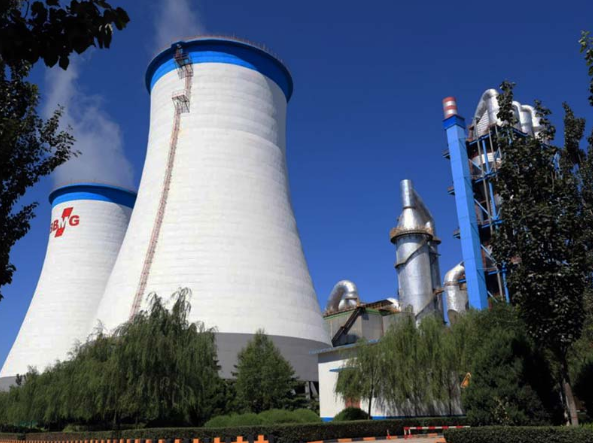
Star Cement recognises the growing importance of understanding the carbon footprint of cement plants. As a leading manufacturer in Eastern India, Star Cement addresses its stakeholders on how sustainability is embedded across its operations.
This deep dive explores how Star Cement evaluates, reports, and actively manages its carbon footprint, while advancing green construction practices, offering low‑emission cement, and tracking cement sustainability metrics.
Why the Carbon Footprint of Cement Plants Matters
The cement industry is responsible for approximately 7–8% of global CO₂ emissions. That equates to nearly 0.9 tonnes of CO₂ per tonne of cement produced. Most of these emissions stem from the calcination process and fossil fuel combustion to produce clinker—the core ingredient in Portland cement. Understanding the carbon footprint of cement plants is critical for the construction industry to align with climate goals and regulatory mandates.
Star Cement invites readers to explore how it approaches this challenge: from measurement frameworks to innovative technologies and sustainability initiatives across its integrated plant in Meghalaya and grinding units in Assam and West Bengal. Visit Star Cement’s website for more on our (its) environmental data and sustainable practices at Star Cement Environmental Data
Estimating the Carbon Footprint of Cement Plants
Calculating the carbon footprint of cement plants requires attention to both direct (Scope 1) emissions and indirect (Scope 2 and 3) contributions. The Global Cement and Concrete Association (formerly the Cement Sustainability Initiative) provides standardized guidance on calculating cement sustainability metrics, including net and gross emissions per tonne of production.
Star Cement applies these widely accepted frameworks to benchmark its emissions intensity. Net emissions include fossil-fuel combustion and calcination, while excluding on-site power generation where applicable. These cement sustainability metrics allow Star Cement to transparently monitor performance and set improvement targets in line with global best practices.
How Star Cement Measures and Reports Emissions
At Star Cement, sustainability is embedded in operations. Each of the integrated and grinding plants holds ISO 14001:2015 certification, supporting robust environmental management systems. The company publishes detailed environmental data and regular monitoring reports at Star Cement Environmental Data.
By benchmarking its carbon intensity (i.e. CO₂-equivalent per tonne of cementitious material), Star Cement ensures consistent tracking of its carbon footprint of cement plants and progress over time. These cement sustainability metrics enable comparison with sector benchmarks and support ongoing improvement planning.
Strategies to Reduce the Carbon Footprint of Cement Plants
1. Clinker Substitution and Low‑Emission Cement Production
Clinker production accounts for 60–70% of total emissions. Reducing clinker content via supplementary cementitious materials (SCMs) like fly ash, slag, or calcined clay significantly lowers the carbon footprint of cement plants.
Star Cement integrates such SCMs into its cement blends, offering low‑emission cement options like PPC (Portland Pozzolana Cement). These products reduce the clinker factor and support green construction practices by helping projects meet low-carbon material requirements.
2. Fuel Switching and Alternative Fuels
Fuel combustion constitutes about 30–40% of emissions. Star Cement explores co-processing opportunities, including the use of biomass, industrial by-products, and waste-derived fuels to replace fossil fuels in kilns.
By adopting alternative fuels, the company reduces its reliance on coal and petroleum coke and further lowers the carbon footprint of its operations. This is central to delivering low‑emission cement solutions.
3. Energy Efficiency and Digital Optimisation
Investments in advanced kiln technology, waste heat recovery, and digital monitoring systems help cut energy usage by up to 15% or more.
Star Cement upgrades its plants with energy efficiency measures—optimised kiln operation, waste heat recovery, and sensors for fuel management—all aligned with broader green construction practices and enhancing the cement sustainability metrics measured.
4. Emerging Technologies: Carbon Capture & Novel Cement Types
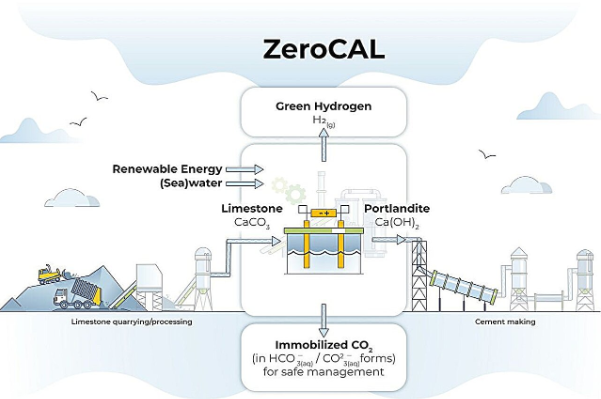
Innovative approaches to decarbonisation—such as Limestone Calcined Clay Cement (LC³), carbon capture utilisation and storage (CCUS), and AI-enhanced process controls—promise substantial reductions in emissions.
Star Cement actively monitors these global innovations, aiming to evaluate feasibility for future adoption to reduce the carbon footprint of cement plants and expand its low‑emission cement portfolio.
Integrating Green Construction Practices
Increasingly, architects, engineers, and project owners seek materials aligned with green construction practices. These practices emphasize:
- Specifying low‑emission cement to reduce embodied carbon
- Choosing suppliers with verified cement sustainability metrics
- Promoting resource efficiency, lifecycle performance, and recyclability
Star Cement supports such demands by providing detailed sustainability data, product transparency, and performance assurances. Clients can rely on documented cement sustainability metrics to integrate sustainable choices into their design and procurement processes.
Use Cases: Star Cement’s Commitment in Practice
Integrated Plant and Operational Excellence
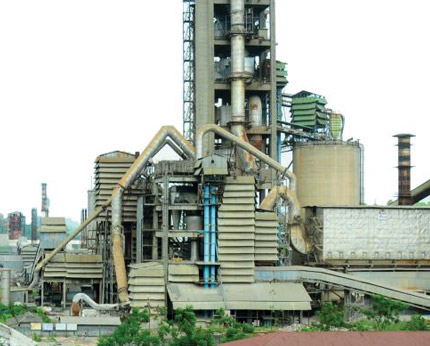
Star Cement’s integrated unit at Lumshnong (Meghalaya), along with grinding units at Sonapur and Mohitnagar, aggregate an installed capacity of 7.7 MTPA with expansion plans to 25 MTPA by 2030. Environmental monitoring, fuel substitution pilots, and clinker substitution strategies are rolled out across units—demonstrating how physical scale integrates with sustainability ambitions.
Sustainability Reporting & Stakeholder Transparency
Star Cement publishes Biz Responsibility and Sustainability Reports (BRSR) aligned with regulatory and global disclosure frameworks. These include the company’s cement sustainability metrics, carbon intensity figures, energy consumption data, and CSR initiatives. More details are available in Star Cement's reports section and on its contact page: Visit Star Cement's website for more information on its operations and customer support, or get in touch through the Star Cement Contact Page.
Star Cement’s Industry Context and Global Trends
Globally, cement companies and associations are accelerating actions to decarbonise. Reuters reports that more than 60 companies now work on low-carbon concrete innovations, carbon capture, AI efficiency, and alternative fuels to transform this traditionally “hard-to-abate” sector. Major industry bodies and regulations are increasingly focused on embodied emissions thresholds and low-carbon products.
Star Cement aligns with these trends by embedding green construction practices, offering products targeting low-carbon construction, and adopting rigorous cement sustainability metrics for internal and external benchmarking.

Benefits of Addressing the Carbon Footprint of Cement Plants
Environmental Leadership
Reducing the carbon footprint of cement plants positions Star Cement as an environmental leader in Eastern India, contributing to national and global climate goals with responsible manufacturing.
Customer Value and Market Differentiation
Clients preferring low‑emission cement and green construction practices benefit from Star Cement’s transparency and sustainable credentials. Developers, public agencies, and designers increasingly mandate environmental performance metrics—where Star Cement delivers verified cement sustainability metrics.
Future-Proofing Operations
By adopting fuel efficiency, clinker substitution, and future technologies, Star Cement prepares proactively for tightening regulations and market shifts, safeguarding long-term viability.
Challenges and Ongoing Efforts
Transforming cement production to reduce carbon footprints remains challenging:
- High capital costs and logistical complexities associated with CCUS
- Sourcing SCMs reliably at scale
- Aligning innovations with existing plant infrastructure
Star Cement addresses these by evaluating pilot schemes, collaborating with technology providers, and gradually implementing improvements to retrofit existing plants—all while tracking against established cement sustainability metrics.
Join Star Cement in Building a Low‑Carbon Future
Star Cement encourages builders, designers, contractors, and policymakers to partner in advancing green construction practices. By choosing Star Cement’s low‑emission cement** offerings like OPC and PPC, stakeholders reduce embodied carbon while maintaining structural quality and durability.
Star Cement recognises the critical role of the carbon footprint of cement plants in sustainable development. Through active measurement, fuel and clinker substitution, energy optimisation, and commitment to new technologies, Star Cement steadily lowers its emissions intensity. By choosing Star Cement’s low‑emission cement and supporting green construction practices, clients align with global decarbonisation targets and build responsibly.
Visit Star Cement's Contact page to learn more about its operations and customer support.
Connect with Star Cement to integrate sustainable cement solutions into the next project, supported by clear cement sustainability metrics. Partner with a manufacturer that not only produces quality cement but also contributes positively to environmental stewardship.