
Learn how to cast a one way slab with expert slab reinforcement tips and cement slab construction practices using premium Star Cement products.
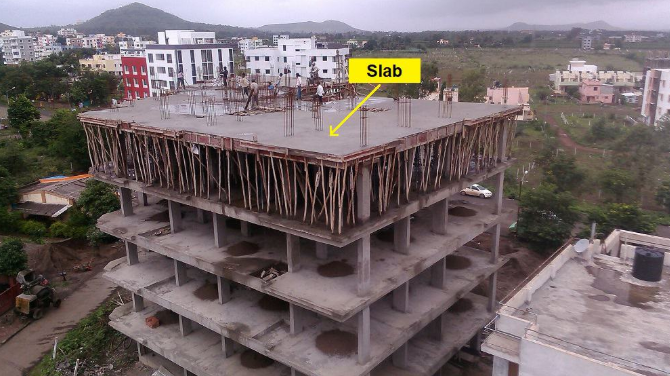
When building a lasting home or commercial structure, the slab you cast forms the backbone of your project. A one way slab is one of the most common and effective types of slabs used today, especially in residential and light commercial construction. At Star Cement, we’re here to guide you through each step of the process, from understanding the basics to choosing the right materials.
This article will help you grasp the full process of casting a one way slab, apply essential cement slab construction techniques, and follow the best slab reinforcement tips to ensure safety, durability, and cost-efficiency.
We’ll also explain why selecting the right cement, such as our range of high-performance products, is the foundation of every strong slab.
Understanding What a One Way Slab Is
A one way slab is a slab that is supported on two opposite sides only. Because of this, it bends and carries load in one direction—along the shorter span. It’s best used when the length of the slab is more than twice the width, such as in narrow rooms, corridors, or balconies.
Where One Way Slabs Are Typically Used:
- Residential floor and roof systems
- Office hallways
- Narrow commercial spaces
- Parking sheds and driveways
The design makes one way slabs more cost-effective than two way slabs in many situations due to less reinforcement and simpler shuttering work.
Step-by-Step Cement Slab Construction for One Way Slabs
A well-constructed slab begins with the right process. The following steps form the foundation of good cement slab construction, especially for a one way slab.
1. Site Preparation and Marking
Begin by clearing the site and leveling the surface. Layout is critical at this stage—our engineers recommend following architectural drawings strictly and ensuring accurate marking of the span.
2. Formwork Installation
Formwork gives shape to your slab. In a one way slab, shuttering is installed on two opposite sides only. Always ensure that:
- The formwork is properly aligned and leak-proof
- Adequate supports are used to avoid sagging during concrete pouring
- Release agents are applied to ease removal later
We recommend using quality plywood or steel for shuttering, depending on the project size and slab dimensions.
3. Placing Reinforcement Steel
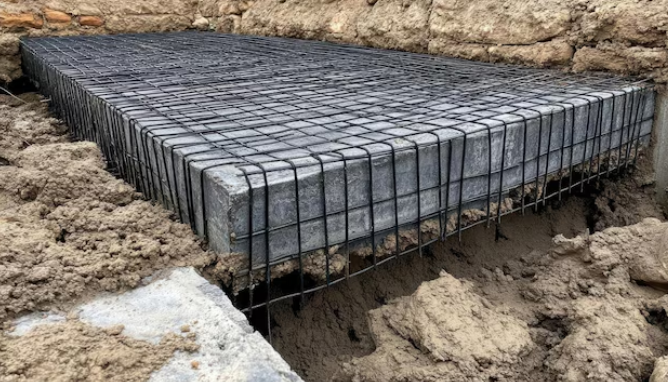
This is one of the most important steps in slab casting. Following our tried-and-tested slab reinforcement tips can significantly improve the strength and life of your structure.
- Main steel bars are placed parallel to the shorter span.
- Distribution bars are placed perpendicular to these.
- Proper spacing and cover blocks are crucial.
- Binding wires should be used to tie all intersections securely.
You can find more technical guidance in the Construction Know-How section on our website.
4. Mixing and Pouring Concrete
The quality of the concrete mix determines your slab's performance.The right water-cement ratio, aggregate grading, and mixing time are essential. We recommend using:
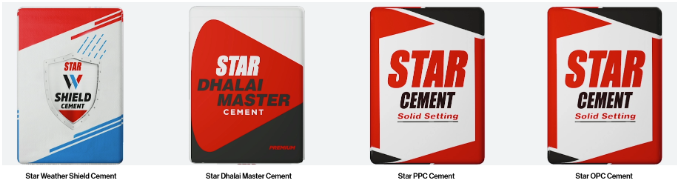
- Our Star Cement OPC for faster strength gain and high early compressive strength.
- Our Dhalai Master Cement for slabs requiring a denser, smoother finish and long-term performance.
- Our Star Cement PPC where durability and reduced heat generation during curing are needed.
You can view each of these on our Products page or go directly to Dhalai Master Cement, PPC, and OPC for details.
Concrete should be poured evenly and continuously, using mechanical vibrators to remove air gaps.
5. Curing and De-shuttering
Curing is critical for concrete to develop strength. You should begin curing after 24 hours and continue for at least 7 days, preferably 14.
Methods include:
- Regular sprinkling of water
- Wet gunny bags
- Curing membranes for large or open surfaces
The formwork should only be removed after adequate curing to avoid damaging the slab.
Slab Reinforcement onto Prevent Structural Failures
Correct reinforcement is the backbone of any slab. Here are reinforcement best practices we always recommend:
1. Maintain Proper Concrete Cover
Use cover blocks to maintain the right distance between the steel and the formwork. Typically, 15–25 mm of cover protects the steel from corrosion and fire damage.
2. Use Adequate Lap Lengths
When bars are joined end to end, maintain proper lap lengths (usually 40–60 times the bar diameter). Laps must be staggered to prevent weak zones.
3. Bar Bending Should Follow Design Standards
Avoid bending bars on-site unless necessary. Always follow the structural engineer’s design to prevent over-stressing the concrete.
4. Spacers and Chairs Are a Must
They help maintain the required gap between layers of steel and keep everything in place during pouring.
Slab failures often result from neglecting these small but crucial details.
Why Our Cement Make a Real Difference?
At Star Cement, we believe a strong slab starts with strong cement. That’s why we offer a complete range of options for your slab casting needs.
Star Cement OPC
- Ideal for high-rise slabs and time-sensitive projects
- High early strength and quick setting
- Preferred for rapid construction
Star Cement PPC
- Long-lasting and highly resistant to chemical attack
- Excellent for slabs exposed to weathering
- Eco-friendly and cost-effective
Dhalai Master Cement
- Designed for demanding RCC slab work
- Superior surface finish and crack resistance
- Low permeability to ensure longevity
Whichever variant you choose, our products undergo stringent testing and exceed IS standards for quality and consistency.
Avoid These Mistakes in Slab Casting
Even experienced builders sometimes make errors that compromise the slab's performance. Common mistakes include:
- Skipping curing or shortening the curing period
- Incorrect rebar spacing or poor bar placement
- Using low-quality or expired cement
- Pouring concrete in extreme temperatures without precautions
- Removing shuttering before sufficient strength has developed
Need help on-site? Get in touch with the Star Cement team via the Contact Star Cement page for expert advice.
Safety Tips for One Way Slab Construction
Safety should never be compromised on a construction site. Follow these precautions when casting a one way slab:
- Always wear protective gear (helmets, gloves, safety shoes)
- Make sure formwork is properly braced and inspected
- Use ladders and scaffolding safely
- Avoid casting during heavy rains
- Ensure proper lighting and supervision on night shifts
Slab work involves heavy materials and working at height, so always prioritize safety first.
Our Cement Slab Construction Support Goes Beyond Bags of Cement
At Star Cement, the relationship doesn’t end after a purchase. Star Cement is invested in your success as a builder or homeowner. Through their Construction Know-How initiative, you can access:
- Practical advice tailored to Indian construction conditions
- Articles on best practices in slab reinforcement and RCC casting
- Videos, guides, and cement usage calculators
- Real-time assistance from our technical team
Star Cement understands that cement slab construction is one of the most critical aspects of your building project. That’s why they offer the best materials—and the knowledge to use them right.
Let’s Build Better Slabs, Together
Casting a one way slab requires more than just labor—it needs planning, technical understanding, and quality materials. Following correct slab reinforcement tips and sound cement slab construction methods ensures your structure remains strong and stable for years to come.
By choosing Star Cement, you’re not just selecting cement; you’re choosing a trusted construction partner. Whether you need high early strength, long-term durability, or sustainability, our product range offers a solution tailored for every type of slab.
Whether you’re building your dream home or working on a commercial project, trust Star Cement to deliver excellence—bag after bag, slab after slab. We are proud to be the preferred choice for Northeast India, Bengal, and beyond.
✅ Visit Star Cement to learn more about it’s range of cement products.
✅Reach out through Contact Us page for help in selecting the right cement for your slab.
✅ Explore Construction Know-How to make smarter building decisions.
Choose strength. Choose durability. Choose Star Cement.