Master cement work in different weather with tips on cement curing in winter, summer concreting tips, cold weather care, and humidity control.
At Star Cement, the company recognises that construction excellence goes beyond material quality, it also depends heavily on how environmental conditions are managed at every stage of building. Temperature shifts, humidity variations, and seasonal extremes directly influence how cement behaves during mixing, curing, and setting. For professionals, homeowners, and contractors alike, mastering cement work in different weather is essential to ensuring safety, durability, and long-term performance.
Through this comprehensive guide, Star Cement shares decades of expertise to help the construction community adapt their techniques for every season. From strategies on cement curing in winter, to practical summer concreting tips, and insights on cold weather concrete care and humidity and cement, this resource is designed to help readers approach their projects with confidence year-round.
Readers can visit Star Cement’s website to learn more about its operations and customer support, including its Star Cement Contact page.
Why Cement Work in Different Weather Matters
Cement is the backbone of construction, responsible for the strength, resilience, and finish of every structure. However, cement is also a material that responds directly to external conditions. The rate of hydration, the process that transforms cement and water into a hardened mass, is influenced by temperature, moisture, and wind.
- In cold climates, hydration slows down, risking weak bonding if precautions aren’t taken.
- In hot climates, hydration speeds up too much, leading to cracks and compromised structural integrity.
- In humid or rainy conditions, excess water exposure can prevent proper curing and affect surface quality.
Contractors should also delay stripping formwork until the cement has gained adequate strength. By adopting these precautions, winter projects maintain durability despite the harsh climate.
Cold Weather Concrete Care
Specialised cold weather concrete care techniques can further safeguard results:
- Use low-heat cement varieties to control temperature fluctuations.
- Schedule pours during the warmest parts of the day.
- Consider chemical accelerators to speed hydration without compromising quality.
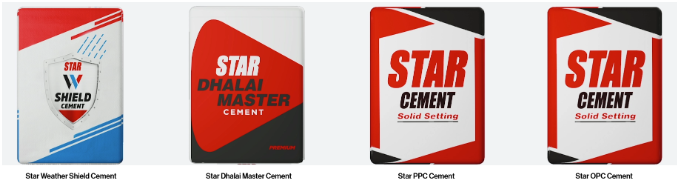
At Star Cement, the company’s focus on durability extends to supplying cement products like Star Weather Shield Cement, designed to withstand challenging environments and deliver long-lasting performance even when winter construction is unavoidable.
Summer Concreting: Tips for Hot Conditions
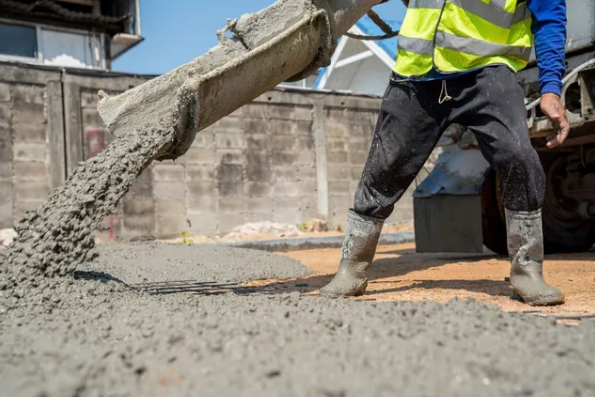
In contrast to cold weather, summer presents its own unique risks. High heat accelerates hydration, causing cement to set too quickly. This often leads to cracking, reduced compressive strength, and poor surface finish.
Summer Concreting Tips
Reliable summer concreting tips include:
- Mixing concrete with cool water or ice flakes to regulate temperature.
- Carrying out pours in the early morning or late evening to avoid peak heat.
- Keeping curing surfaces continuously moist through sprinkling or wet coverings.
- Using retarders or admixtures to slow down hydration.
Following these summer concreting tips ensures structural integrity is preserved even under scorching conditions.
At Star Cement, the company supports contractors during summer challenges by offering timely deliveries and consistent product quality, ensuring that no matter how fast-paced the worksite, the cement performs at its best.
Monsoon and Humid Conditions
India’s diverse climate also brings prolonged rainy seasons and high humidity in certain regions. These weather conditions demand equal attention, as improper practices during humid or wet weather can lead to compromised outcomes.
Humidity and Cement
Excessive moisture in the environment can:
- Cause uneven curing.
- Increase the risk of efflorescence (white surface deposits).
- Lead to weak surface finishes if water ratios are not carefully monitored.
Managing humidity and cement means storing cement bags in dry, covered environments and ensuring freshly poured concrete is protected from direct rain exposure. Star Cement encourages contractors to always plan for monsoon challenges by using adequate coverings, proper drainage systems, and scheduling pours during drier windows of weather.
Season-by-Season Best Practices
Winter: Cement Curing in Winter and Cold Weather Concrete Care
- Use insulating blankets to trap warmth.
- Heat mixing water and aggregates where possible.
- Apply accelerators to maintain strength gain.
- Practice vigilant cold weather concrete care to avoid freezing cracks.
Summer: Summer Concreting Tips
- Store materials in shaded conditions.
- Keep surfaces damp to prevent shrinkage cracks.
- Use admixtures to extend workability.
- Apply curing compounds to retain moisture.
Monsoon/Humid Conditions: Humidity and Cement
- Ensure cement bags are stored above ground level.
- Use waterproof coverings at worksites.
- Control water-cement ratios carefully to avoid dilution.
- Protect surfaces from direct rain with plastic sheets.
Through these seasonal adaptations, professionals ensure flawless cement work in different weather across all conditions.
How Star Cement Supports Year-Round Cement Work
Star Cement is more than a manufacturer; the company is a partner in building reliable, sustainable structures. With plants strategically located across the North East and Eastern India, Star Cement ensures consistent supply and unmatched quality in every bag of cement delivered.
Star Cement’s product range, including Portland Pozzolana Cement (PPC), Ordinary Portland Cement (OPC), and specialised solutions like Star Dhalai Master Cement, is designed to support projects across varying conditions.
Our product range, including Portland Pozzolana Cement (PPC), Ordinary Portland Cement (OPC), and specialised solutions like Star Dhalai Master Cement is designed to support projects across varying conditions.
To learn more about its products, operations, and distribution network, readers can explore Star Cement’s website and connect with the company through its Star Cement Contact page for dedicated customer support.
Final Reminders for Cement Work in Different Weather
Success in construction comes not only from the choice of material but also from adapting methods to the environment. By observing seasonal best practices: such as prioritising cement curing in winter, implementing reliable summer concreting tips, practising vigilant cold weather concrete care, and addressing humidity and cement concerns, contractors and homeowners alike can ensure structures remain strong and durable.
Star Cement continues to invest in innovation, customer education, and sustainable practices so that construction across India withstands every weather challenge.
Build Better with Star Cement – Contact Us Today
At Star Cement, the company believes that adapting techniques for cement work in different weather is not a challenge but an opportunity to build smarter, more resilient structures. Its state-of-the-art plants, quality-tested products, and extensive distribution networks make Star Cement the trusted choice for construction across Eastern India and beyond.
Whether readers are looking for guidance on cement curing in winter, need expert insights on summer concreting tips, or require reliable support for managing humidity and cement during monsoons, the Star Cement team can provide relevant assistance.
Readers can visit Star Cement’s website to explore its products and services and reach out through its Star Cement Contact page for assistance. Star Cement remains committed to supporting stronger foundations for the future.