
Cement is the backbone of any construction project, particularly when it comes to foundations and pillars—the elements that bear the entire structural load. The choice of cement for these critical components determines the stability, longevity, and safety of a building. Without the right type of cement, structures may develop cracks, suffer from premature deterioration, or even collapse over time.
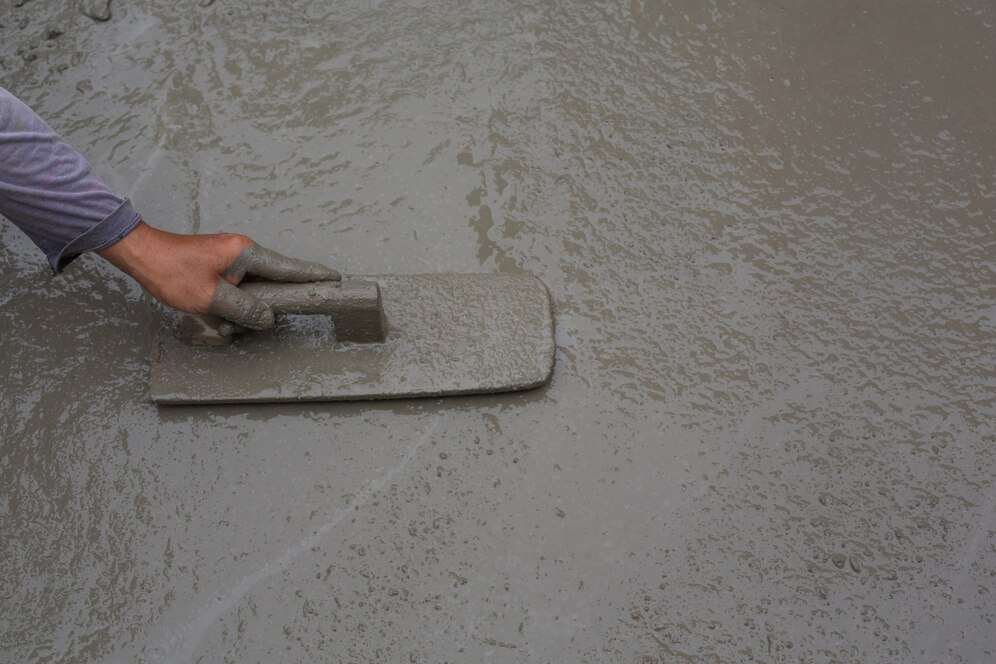
For projects that demand durability and resilience, selecting high-quality cement is non-negotiable. Star Cement, known for its superior-grade cement products, provides reliable solutions for heavy-duty structures. This article explores the key factors in choosing the best cement for foundations and pillars, ensuring strength and longevity in any construction project.
Understanding the Role of Foundations and Pillars in Construction
Every building stability, whether residential, commercial, or industrial, relies on two main structural elements:
1. Foundations: The Core of Structural Stability
A foundation is the lowest part of a structure, transferring loads from the building to the ground. It ensures even weight distribution, prevents settling, and provides resistance against environmental forces such as earthquakes and soil erosion.
A poorly constructed foundation can lead to uneven floors, wall cracks, or, in severe cases, total structural failure. Using the right cement for foundations and pillars is essential for preventing these issues.
2. Pillars: Supporting the Structure’s Weight
Pillars, or columns, play a crucial role in transferring the load from the upper parts of a building to the foundation. They must be able to withstand compressive forces, lateral movements caused by wind and seismic activity, and long-term environmental exposure.
For pillars to remain structurally sound, cement must provide excellent bonding strength, durability, and resistance to environmental stressors.
Key Factors to Consider When Selecting Cement for Foundations and Pillars
1. Strength and Durability
Since foundations and pillars bear heavy loads, the cement used must offer high compressive strength. Ordinary Portland Cement (OPC) and Portland Pozzolana Cement (PPC) are commonly used due to their superior strength and durability. Star Cement’s OPC is particularly suitable for such applications due to its high early strength, making it ideal for load-bearing structures.
2. Resistance to Environmental Conditions
Buildings are constantly exposed to moisture, chemicals, and temperature variations. Cement should be resistant to:
- Sulphate Attack: Essential for foundations in areas with high sulphate content in the soil.
- Moisture and Corrosion: Moist environments can weaken the foundation over time.
- Thermal Expansion: Temperature fluctuations should not cause excessive expansion or contraction, leading to cracks.
Star Cement for heavy-duty structures offers enhanced durability, ensuring long-term resistance to these environmental factors.
3. Workability and Setting Time
Cement should have a balanced setting time—long enough for proper mixing and pouring but short enough to prevent construction delays. OPC sets quickly, whereas PPC provides a longer workable time, making it ideal for large-scale foundation work.
4. Bonding and Adhesion
For pillars, cement should offer excellent bonding properties with reinforcement bars (rebars) to prevent structural failure. Star Cement’s PPC is designed to enhance adhesion, improving the overall integrity of concrete structures.
5. Crack Resistance and Shrinkage Control
Shrinkage during the curing process can lead to cracks in foundations and pillars. Low heat cement, such as PPC, minimizes this risk, ensuring a stable and crack-free structure.
Types of Cement for Foundations and Pillars
1. Ordinary Portland Cement (OPC)
One of the most commonly used types, OPC is available in different grades (33, 43, and 53). Star Cement’s OPC 53 grade is ideal for foundations and pillars due to its superior strength and quick setting properties.
Best For:
- High-rise buildings
- Heavy-duty commercial structures
- Bridges and industrial projects
2. Portland Pozzolana Cement (PPC)
PPC contains pozzolanic materials that improve durability and resistance to sulphate attacks. It generates less heat during hydration, reducing the risk of thermal cracks in massive concrete structures.
Best For:
- Residential buildings
- Foundations in coastal or sulphate-rich areas
- Long-term durability in exposed environments
3. Sulphate Resistant Cement (SRC)
For areas with high sulphate exposure, SRC is an excellent choice. It prevents deterioration due to chemical reactions in the soil.
Best For:
- Marine and sewage structures
- Foundations in sulphate-prone soil
- Industrial constructions with chemical exposure
Why Star Cement is the Best Choice for Foundations and Pillars
When selecting cement for foundations and pillars, opting for a brand with a proven track record is crucial. Star Cement provides high-quality options suited for different types of constructions.
1. Star OPC Cement: Superior Strength for Load-Bearing Structures
- High compressive strength ensures a solid foundation.
- Ideal for high-rise buildings, commercial structures, and infrastructure projects.
- Ensures rapid setting, reducing construction time.
2. Star PPC Cement: Long-Lasting and Durable
- Enhanced durability due to pozzolanic materials.
- Crack resistance makes it ideal for foundations and pillars.
- Higher resistance to sulphates and moisture, preventing early deterioration.
3. Star Dhalai Master Cement: Specially Designed for Heavy-Duty Construction
- Formulated for superior bonding and workability.
- Ensures consistent quality and durability.
- Ideal for structural stability in multi-story buildings.
4. Star Weather Shield Cement: Protection Against Harsh Weather
- Designed to withstand extreme weather conditions.
- Reduces the impact of temperature fluctuations.
- Excellent for exposed foundations and open-air pillars.
With its range of high-quality cement options, Star Cement for heavy-duty structures ensures that every foundation and pillar is built to last.
Best Practices for Using Cement in Foundations and Pillars
1. Proper Mixing Proportions
The right ratio of cement, sand, aggregate, and water is critical for strength and stability. Overwatering weakens concrete, while under-mixing leads to inconsistent strength.
2. Curing for Maximum Strength
Curing is essential for preventing shrinkage and increasing durability. A minimum of 7 to 14 days of proper curing is recommended for foundations and pillars.
3. Reinforcement and Formwork
Steel reinforcements should be embedded correctly, ensuring proper bonding with the cement. Formwork should be stable to avoid deformations in pillars.
4. Using High-Quality Cement
Compromising on cement quality can lead to long-term structural issues. Opting for trusted brands like Star Cement guarantees durability, strength, and resistance to environmental stressors.
Build a Stronger Future with Star Cement
Choosing the right cement for foundations and pillars is a critical decision that directly impacts the longevity and safety of any building. By selecting a high-quality cement like Star Cement, builders can ensure that their structures remain stable and resilient for decades.
For those looking to construct high-rise buildings, industrial complexes, or residential projects, Star Cement for heavy-duty structures provides the ideal balance of strength, durability, and workability. Make the right choice today and invest in a foundation that stands the test of time.
Looking for expert advice on choosing the best cement for your project? Contact the Star Cement team today and build with confidence!