
In the realm of home construction, selecting the right materials is crucial to ensuring durability, safety, and overall success. Among these materials, cement stands out as a fundamental component. Understanding the different **cement grades** and how they cater to various construction needs can greatly influence the quality of your project. In this blog, we will delve into the nuances of cement grades, focusing on their relevance to different home construction requirements. Additionally, we will explore the offerings of **Star Cement grades, providing valuable cement selection tips and construction materials advice**.
Understanding Cement Grades: A Fundamental Guide
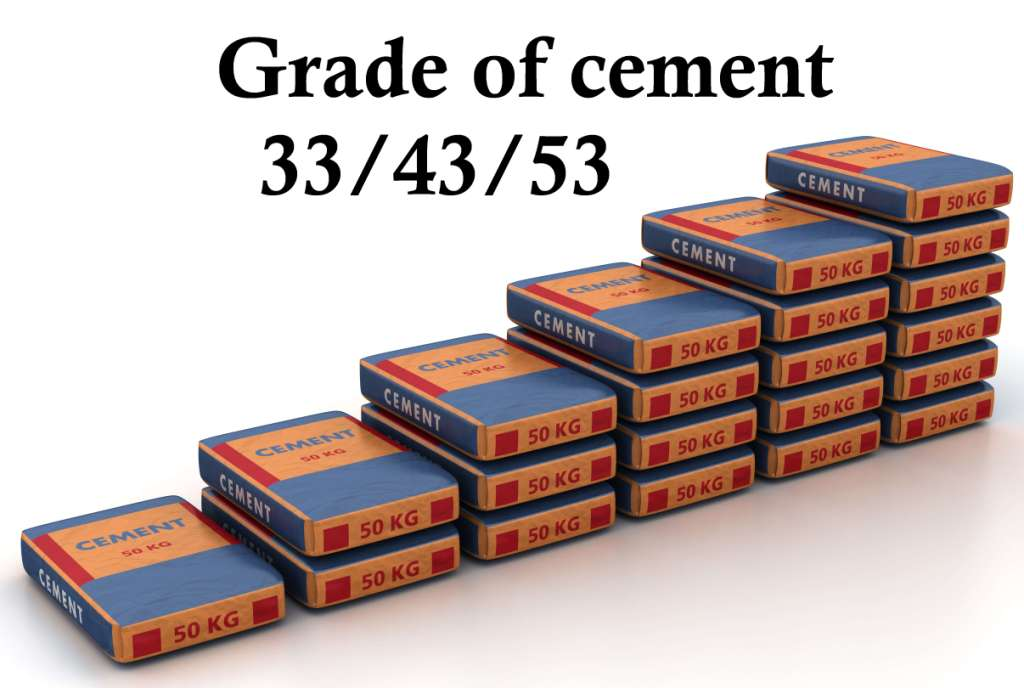
Cement grades refer to the strength of the cement mix, measured in megapascals (MPa). The most commonly used cement grades in the construction industry are 33, 43, and 53. Each of these grades has distinct characteristics and applications, making it essential to understand them for appropriate usage in home construction.
- 33 Grade Cement: Generally used for non-structural works like plastering and flooring, this grade has a compressive strength of 33 MPa. It is sufficient for light construction activities where high strength is not a critical requirement. This grade is also more economical compared to higher grades, making it suitable for budget-conscious projects that do not require robust structural integrity.
- 43 Grade Cement: With a compressive strength of 43 MPa, this grade is ideal for residential buildings, precast items, and smaller-scale constructions. It offers a balance between strength and cost, making it a popular choice among homeowners. It is suitable for making concrete that is resistant to moderate environmental conditions, providing a good level of durability for standard residential construction projects.
- 53 Grade Cement: Known for its high strength of 53 MPa, this grade is used in heavy-duty constructions like bridges, high-rise buildings, and other large infrastructures. It is perfect for projects requiring high early strength, such as constructing load-bearing walls and pillars in homes. The higher strength also translates to thinner sections, saving on material costs while ensuring structural integrity.
Choosing the Right Cement Grade for Your Home
Selecting the appropriate cement grade for your home construction project is pivotal. Here are some cement selection tips to guide your decision:
- Nature of the Construction: Determine whether your project requires structural or non-structural work. For example, while 33-grade cement suffices for plastering, 43 or 53-grade cement is necessary for the structural integrity of walls and foundations. Each section of your home may have different requirements, so understanding the specific needs of each part is critical.
- Climatic Conditions: In regions with extreme weather conditions, higher-grade cement like 53 is advisable due to its enhanced durability and resistance. For instance, areas prone to heavy rains or significant temperature fluctuations will benefit from the superior strength and reduced permeability of higher-grade cement.
- Budget Considerations: Higher-grade cement generally more; therefore, balancing quality and cost is crucial, especially for projects with tight budgets. Opting for a mix of grades, such as using 43-grade cement for walls and 53-grade cement for load-bearing structures, can be a cost-effective strategy.
- Construction Timeline: For projects that require quick setting and high early strength, 53-grade cement is the best choice. However, for standard timelines, 43-grade cement is usually adequate. The early strength provided by 53-grade cement can also be beneficial in reducing the overall construction period, leading to earlier project completion.
Star Cement Grades: A Trustworthy Choice for Every Need
Star Cement offers a variety of cement grades designed to meet diverse construction requirements. Their commitment to quality and innovation ensures that their products are suitable for both residential and commercial projects.
- Star Weather Shield Cement: Ideal for construction in areas with adverse weather conditions, this grade provides superior strength and longevity. Its formulation includes weather-resistant properties that make it an excellent choice for coastal areas or regions with high humidity.
- Portland Pozzolana Cement (PPC): Known for its durability and environmental benefits, PPC is perfect for residential buildings and other standard constructions. Its composition includes fly ash, which enhances the cement's workability and reduces its carbon footprint, making it a sustainable choice.
- Star Dhalai Master Cement: Specifically formulated for high-performance applications, this grade is recommended for heavy-duty construction work. It offers excellent workability and strength, making it suitable for constructing foundations, beams, and columns in multi-story buildings.
- Ordinary Portland Cement (OPC): Available in 33, 43, and 53 grades, OPC from Star Cement is versatile and can be used for various structural and non-structural applications. It is a reliable choice for general construction purposes, from masonry work to concrete slabs.
Practical Construction Materials Advice
In addition to choosing the right cement grade, it’s essential to consider other materials that complement cement for a robust construction. Here are some practical construction materials advice to enhance your project's quality and longevity:
- Quality Aggregates: Use high-quality aggregates to ensure the strength and longevity of your structure. Poor-quality aggregates can weaken the concrete, leading to reduced durability and potential structural failures.
- Proper Water-Cement Ratio: Maintaining an optimal water-cement ratio prevents cracks and improves the overall durability of the concrete mix. Excess water can lead to segregation and a reduction in strength, so precise measurement and mixing are crucial.
- Curing Practices: Adequate curing is crucial for cement to achieve its desired strength and to avoid premature drying, which can lead to structural issues. Proper curing involves maintaining moisture in the concrete for a sufficient period, ensuring that the hydration process completes effectively.
Star Cement’s Commitment to Quality
Star Cement emphasizes strict quality control measures in the production of its various grades. By choosing Star Cement, you are ensuring that your home is built with materials that adhere to the highest standards of strength and reliability. Their comprehensive range of products is designed to meet the varied needs of modern construction, providing solutions that combine performance with sustainability.
Innovative Approaches in Cement Production
Star Cement also integrates innovative technologies and sustainable practices in their manufacturing processes. Their adoption of advanced manufacturing techniques ensures that their products consistently meet the highest industry standards, contributing to the durability and strength of structures built with their cement. This commitment to innovation also translates into eco-friendly production practices that reduce environmental impact while maintaining product quality.
The Role of Cement in Sustainable Construction
Cement plays a significant role in sustainable construction practices. The choice of the right cement grade can influence the overall environmental impact of a construction project. For instance, Portland Pozzolana Cement (PPC), offered by Star Cement, incorporates industrial by-products like fly ash, reducing the carbon footprint of the construction process. Sustainable construction not only benefits the environment, but also enhances the long-term performance and cost-effectiveness of buildings.
Choose the Right Cement for Your Dream Home
Selecting the right cement grade for your home construction project is a decision that impacts the strength, durability, and longevity of your home. By understanding the various grades and their applications, you can make informed choices that ensure the success of your project. Trusting Star Cement grades means you are opting for quality and reliability, supported by a brand known for its excellence in the industry.
For expert guidance on selecting the best cement grade for your project, or to learn more about the comprehensive range of Star Cement grades, contact Star Cement today and ensure your construction project stands the test of time.