
Concrete is the backbone of modern infrastructure, providing the strength and durability required for residential, commercial, and industrial structures. However, ensuring the longevity and structural integrity of concrete depends not just on the materials used, but also on proper handling during mixing, pouring, and curing. One common challenge faced in construction is concrete bleeding — a phenomenon that can compromise the strength, appearance, and durability of concrete if not addressed appropriately.
At Star Cement, we emphasize producing high-quality materials that minimize construction challenges. Our commitment to excellence ensures that our Star Cement concrete mix adheres to stringent standards, helping construction professionals minimize common issues like concrete bleeding. Visit Star Cement’s website for more on our operations and customer support including our contact page.
What is Concrete Bleeding?
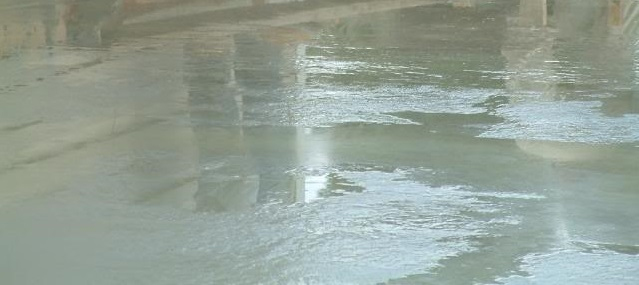
Concrete bleeding refers to the phenomenon where water in freshly mixed concrete rises to the surface after placement, forming a thin layer of water on top of the concrete. This happens when the solid particles in the mix settle due to gravity, pushing excess water upward. While some bleeding is normal, excessive bleeding can negatively impact the concrete’s strength, durability, and finish.
Bleeding typically occurs in concrete mixes with a high water-to-cement ratio or when concrete mix issues such as improper grading of aggregates and inconsistent water content are present. Understanding its causes is essential for both engineers and construction teams aiming for optimal results.
Causes of Concrete Bleeding
Concrete bleeding is influenced by multiple factors, often linked to material selection, mix design, and handling practices.
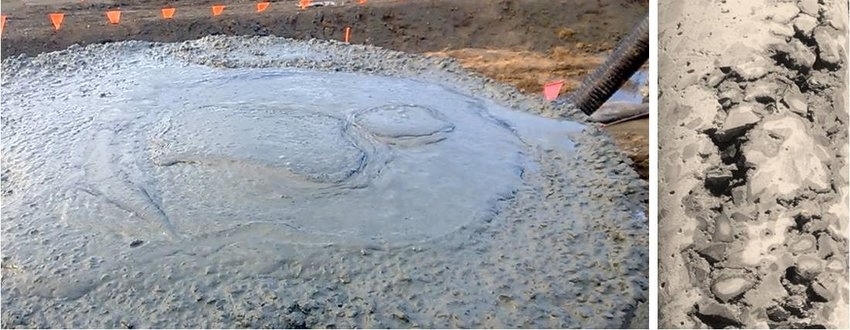
Key causes include:
- High Water-to-Cement Ratio:
A higher water content than necessary reduces the cohesiveness of the mixture. Excess water separates from the cement and aggregates during settling, creating a layer on the surface. - Improper Aggregate Grading:
Aggregates that are not uniformly sized or poorly graded can lead to settling inconsistencies, resulting in water rising to the surface. Our Star Cement concrete mix is formulated to ensure optimal compatibility with well-graded aggregates, reducing the risk of bleeding. - Over-Vibration or Compaction:
Excessive vibration during placement can push water upward rather than consolidating the mixture, exacerbating bleeding. Construction teams must follow recommended vibration practices to avoid this issue. - Cement Type and Quality
Inferior-quality cement can accelerate water separation. Star Cement ensures Star Cement quality in all our products, including PORTLAND POZZOLANA CEMENT (PPC), STAR DHALAI MASTER CEMENT, and ORDINARY PORTLAND CEMENT (OPC), delivering consistency that minimizes bleeding. - Environmental Factors
High ambient temperatures or low humidity can increase the rate at which water migrates to the surface. Controlling curing conditions is essential to mitigate bleeding effects.
External studies, such as those documented by the Portland Cement Association, also indicate that chemical admixtures and supplementary cementitious materials can influence the extent of bleeding in concrete.
Effects of Concrete Bleeding
Concrete bleeding, if unchecked, can lead to multiple structural and aesthetic problems:
- Reduced Compressive Strength
The water layer formed on the surface creates a weak zone. When the concrete hardens, this layer can cause reduced compressive strength, making the structure less durable under load. - Surface Cracking
As excess water evaporates, the top layer shrinks faster than the underlying concrete. This shrinkage differential may result in plastic shrinkage cracks, affecting the surface appearance and long-term durability. - Poor Bonding with Finishes
Bleeding can cause laitance, a layer of fine cement and water on the surface, reducing adhesion with paints, coatings, or flooring materials. This can compromise the performance of subsequent finishes. - Reinforcement Corrosion
Water rising to the surface can leave behind voids and reduce the concrete cover over reinforcement bars. These voids may increase the risk of corrosion, threatening the structural integrity of reinforced concrete elements.
Identifying Concrete Bleeding on Site
Detecting concrete bleeding early allows corrective measures before hardening occurs. Indicators include:
- A thin layer of water appearing on the surface shortly after placement
- Settling of aggregates below the water layer
- Formation of laitance upon initial setting
Proper inspection and monitoring during the first few hours after placing concrete are critical. Using a well-designed Star Cement concrete mix and adhering to recommended handling practices can minimize the likelihood of bleeding from the outset.
How to Reduce Concrete Bleeding
Addressing concrete bleeding involves optimizing the concrete mix, handling, and curing practices.
- Optimize the Water-to-Cement Ratio
Using the correct water-to-cement ratio is one of the most effective ways to reduce bleeding. Star Cement provides detailed mix guidelines for our products, helping construction teams achieve consistent results with minimal water excess. - Use Well-Graded Aggregates
Uniformly graded aggregates prevent segregation and excessive water migration. Star Cement concrete mixes are compatible with a variety of aggregate sizes, ensuring stable and homogenous placement. - Incorporate Supplementary Cementitious Materials
Materials like fly ash or silica fume can improve cohesiveness, reduce bleeding, and enhance the long-term durability of concrete. Our PORTLAND POZZOLANA CEMENT (PPC) contains pozzolanic materials that contribute to reduced bleeding while maintaining Star Cement quality. - Control Placement and Vibration
Avoid over-vibration or excessive compaction, which can exacerbate bleeding. Skilled placement combined with proper equipment settings ensures uniform distribution of water and cement particles. - Implement Proper Curing
The curing process in concrete is essential for controlling water evaporation and maintaining hydration. Use techniques such as wet curing, covering with polyethylene sheets, or applying curing compounds to maintain moisture balance. This reduces surface water loss and helps achieve uniform strength. - Select Appropriate Cement Type
Different cement types behave differently in terms of bleeding. Star Cement’s product range, including STAR DHALAI MASTER CEMENT and STAR WEATHER SHIELD CEMENT, offers tailored options that minimize water separation while providing durability for diverse environmental conditions.
Role of Star Cement in Minimizing Concrete Bleeding
At Star Cement, we understand that high-quality materials are the foundation of successful construction. Our commitment to Star Cement quality ensures that:
- Every batch of cement meets stringent manufacturing standards.
- Our concrete mixes are engineered to reduce concrete mix issues like segregation and bleeding.
- Detailed guidelines are available for construction teams to optimize the curing process in concrete, improving long-term performance.
By using Star Cement products, construction professionals can focus on executing projects efficiently, knowing that the materials themselves support durability and structural integrity. For assistance and technical guidance on our products, you can reach out through the Star Cement Contact page.
Best Practices for Construction Teams
Construction teams play a critical role in preventing and managing concrete bleeding. Best practices include:
- Use Recommended Mix Designs – Follow guidelines provided for different Star Cement products to minimize water-related issues.
- Monitor Environmental Conditions – High temperatures and low humidity can accelerate bleeding; adjust curing practices accordingly.
- Train Personnel on Proper Placement –Correct compaction, avoiding over-vibration, and timely finishing reduce the risk of surface water formation.
- Regular Quality Checks – Periodically inspect fresh concrete for signs of bleeding and take corrective action immediately.
Implementing these practices in tandem with high-quality materials ensures both strength and durability for all types of concrete structures.
The Importance of Proper Curing
The curing process in concrete is essential not only for reducing bleeding but also for achieving the desired strength. Improper curing may amplify the negative effects of bleeding, including cracking and reduced durability.
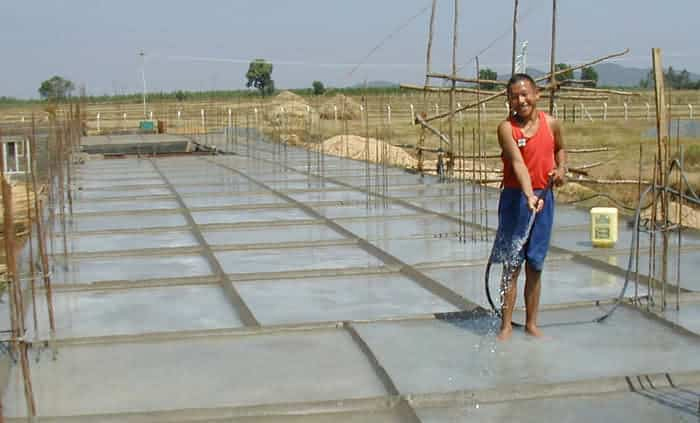
Star Cement provides comprehensive guidance for curing times and techniques specific to each product, ensuring that the hydration process proceeds optimally. Techniques like wet curing, curing compounds, and continuous water spray are recommended depending on environmental conditions and project scale.
Star Cement Products That Reduce Concrete Bleeding
Using high-quality cement is one of the most effective ways to prevent concrete bleeding. Star Cement offers a wide range of products:
- PORTLAND POZZOLANA CEMENT (PPC): Contains pozzolanic additives that improve cohesiveness and reduce bleeding.
- ORDINARY PORTLAND CEMENT (OPC): Consistent quality suitable for general construction applications.
- STAR DHALAI MASTER CEMENT: Engineered for structural strength and minimal water separation.
- STAR WEATHER SHIELD CEMENT:Ideal for projects exposed to harsh weather, ensuring durability and uniform setting.
For RCC Arches
- STAR DHALAI MASTER CEMENT: Optimized for reinforced concrete applications with superior bond strength.
- STAR WEATHER SHIELD CEMENT:Offers enhanced weather protection for exposed structures.
Each product is designed to address common concrete mix issues, reduce excessive water migration, and maintain Star Cement quality throughout the construction process.
Case Studies and Real-World Applications
Several projects across India have leveraged Star Cement products to achieve excellent performance with minimal bleeding issues. For example:
- Large residential complexes using STAR DHALAI MASTER CEMENT experienced uniform concrete placement with negligible surface water formation.
- Infrastructure projects employing PORTLAND POZZOLANA CEMENT (PPC) achieved enhanced durability and reduced maintenance needs.
These real-world applications demonstrate that selecting the right cement, adhering to proper mix designs, and implementing appropriate curing practices are key to preventing concrete bleeding.
Partner with Star Cement for Optimal Concrete Performance
Concrete bleeding can compromise the structural integrity, appearance, and long-term durability of construction projects. By understanding its causes — including concrete mix issues, high water-to-cement ratios, and improper curing — and implementing best practices, construction teams can significantly reduce its impact.
Star Cement ensures that our products consistently meet high-quality standards, helping builders achieve superior results. From our carefully engineered Star Cement concrete mix to detailed guidance on the curing process in concrete, we support professionals every step of the way.
For high-quality cement that minimizes concrete bleeding and ensures lasting performance, choose Star Cement. Learn more about our products and reach out to our team via Star Cement Contact. Partner with us to bring durability, reliability, and excellence to every construction project.