
Discover top concrete crack prevention techniques, curing methods, joint design, and reinforcement strategies from Star Cement’s expert guide.
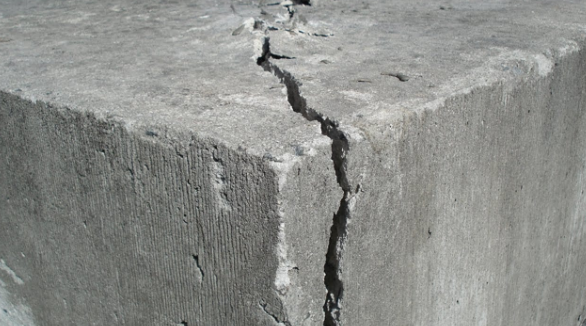
Concrete is the backbone of modern infrastructure, and its longevity directly hinges on robust preventive measures. Cracking is nearly universal in concrete structures, but with the right concrete crack prevention techniques, builders can direct cracks to non-critical areas, maintain appearance, and protect durability.
This comprehensive guide from Star Cement seamlessly blends industry best practices with the company's high-quality cement products and technical support services.) Whether for foundations, pavements, industrial floors, or precast elements, this article outlines actionable strategies aligned with technical insights from The Constructor, Concrete Network, and other authoritative sources.
1. Understand Why Cracks Form
Effective concrete crack prevention techniques begin with identifying root causes:
- Shrinkage: Water loss during curing causes volume reduction, leading to tensile stresses.
- Thermal changes: Expansion and contraction due to heat can trigger cracks.
- Mechanical loads: Excessive, unbalanced weight or traffic strain slabs.
- Subgrade movement: Uneven support or settling creates tension.
- Poor workmanship: Excess water, inadequate vibration, or finishing errors.
The Constructor emphasizes that cracks arise from “concrete expands and shrinks due to temperature differences” and recommends maintaining a water–cement ratio of no more than 0.5 to reduce cracking.
2. Choose High-Quality Materials and Mix Design
Star Cement’s Commitment
Star Cement’s OPC 43 and 53 grades, along with PPC and blended cements, are produced in ISO-certified facilities (ISO 9001, 14001, 45001) in Northeast India (Meghalaya, Assam, West Bengal). These products ensure consistent performance across mix designs.
Best Practices
- Water–cement ratio: Keep ≤0.50 to strengthen concrete and mitigate shrinkage.
- Optimized aggregates: Clean, well-graded aggregates reduce paste demand.
- Admixtures: Plasticizers or superplasticizers maintain workability without extra water.
Star Cement assists clients in integrating these material choices into effective concrete crack prevention techniques.
3. Apply Proper Curing Methods
Why It Matters
Moist curing retains hydration, reducing shrinkage cracking. The Constructor recommends “moist curing for a minimum of seven days” for shrinkage reduction.
Curing Methods (Secondary Keyword #1)
- Water curing: Continuous ponding or misting for ≥7 days.
- Wet coverings: Saturated burlap or mats.
- Membrane compounds: Spray-on sealants forming moisture-retentive films.
- Sealing sheets: Plastic sheeting to trap moisture.
These curing methods are central to concrete crack prevention techniques, particularly with Star Cement, engineered for durability.
4. Adopt Reinforcement Strategies
Overcoming Tensile Weakness
Concrete is strong in compression but poor under tension. Reinforcements address this.
Types of Reinforcements (Secondary Keyword #2)
- Steel rebar: Properly placed and covered to limit crack width.
- Fiber admixtures: Distribution of polypropylene or steel fibers reduces micro-cracking.
- Post-tensioning: Delayed application of compressive forces enhances crack resistance.
Integrating reinforcement strategies with top-tier cement is pivotal to effective concrete crack prevention techniques.
5. Design Joints to Control Crack Locations
Purposeful Joint Placement
Since cracks are inevitable, they should be controlled so they occur where they do not compromise performance or appearance.
Joint Types Secondary Keyword #3:
- Control (contraction) joints: Typically spaced at 24–36× slab thickness to control shrinkage cracks.
- Expansion joints: To accommodate thermal movements.
- Isolation joints: Around fixed objects (columns, walls, etc.).
As Wikipedia notes, expansion joints absorb thermally induced changes, while control joints guide cracks along predefined lines.
A strong joint design integrated into the placement plan is an essential concrete crack prevention technique.
6. Account for Temperature and Environmental Conditions
Hot Weather
- Cool materials or use chilled water.
- Schedule pours during cooler times of day.
- Use membrane or water curing aggressively to prevent rapid evaporation.
Cold Weather
- Keep concrete above 5 °C at placement.
- Insulate with blankets or enclosures.
- Maintain ≥10 °C for the first 3 days to avoid frost damage.
Adapting to the local climate reinforces all other concrete crack prevention techniques.
7. Ensure Formwork, Placing, and Finishing Quality
- Aligned formwork avoids stresses during placement.
- Adequate vibration removes air voids, preventing honeycombing.
- Avoid excess water on the surface, which increases porosity and shrinkage.
These practical steps complement material-based and curing-based strategies in preventing cracks.
8. Conduct Quality Assurance and Testing
- Slump test ensures correct consistency.
- Air content tests ensure adequate freeze-thaw durability where required.
- Compressive strength tests confirm batch integrity.
- Temperature/maturity logs validate curing conditions.
Star Cement’s technical team provides QA/QC protocols to ensure field compliance.
9. Repair Early Cracks Proactively
Even with optimal methods, minor cracks can form. Address them early:
- Sealants: Polyurethane or silicone for hairline cracks.
- Epoxy injection: Structural repair for wider cracks.
- Polymer overlays: Surface restoration for thin overlays.
These interventions complement initial concrete crack prevention techniques and preserve structural performance.
10. Plan for Lifecycle Prevention
Long-term durability begins in design:
- Specify reinforcement strategies based on structural loading.
- Embed joint design in drawings and tender documents.
- Detail curing methods and environmental protection in specifications.
- Plan for QA oversight and skilled supervision.
Star Cement collaborates early with engineers and architects to embed these best practices across project lifecycles.
Case Study: PPC in Road Pavement Application
A municipal authority selected Star Cement’s PPC for a road pavement project where thermal stress control was vital. Implementation included:
- Low water–cement ratio mix.
- Polypropylene fibers and steel rebar.
- Control and expansion joints every 4m.
- Membrane curing for 10 days.
Outcome: Surface cracks located only at predetermined expansion joints; no random shrinkage cracks after five years. This project validates how concrete crack prevention techniques, combined with high-quality cement, create resilient infrastructure.
Material Options from Star Cement
Star Cement offers cements tailored to crack prevention:
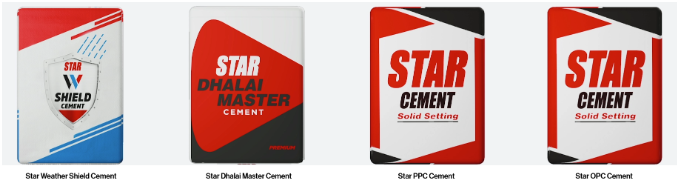
- OPC 43 & 53: High strength, consistent hydration.
- Portland Pozzolana Cement (PPC): Lower heat of hydration, enhanced crack resistance.
- Blended/Specialty Cement: Suited for eco-conscious or niche applications.
Explore product details on the Star Cement Products page and assess plant locations on Our Plants.
Strengthen Your Project: Take Action Today
Star Cement’s specialists are available to recommend optimal concrete crack prevention techniques, tailored to your project’s design, environment, and scale. Visit our Contact Us page to schedule a consultation.