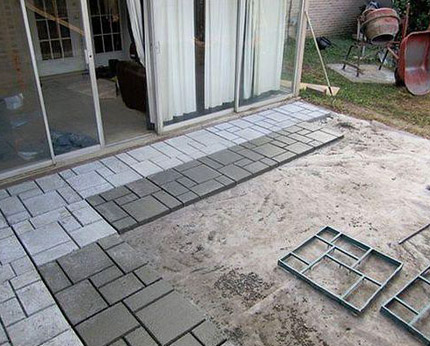
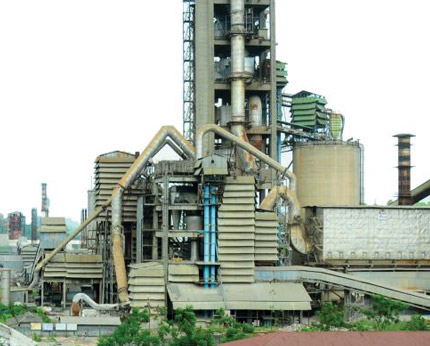
Explore grouting vs epoxy for concrete surfaces. Learn about Star Cement flooring solutions, product durability, waterproof concrete repair, and long-lasting surface finish.
Concrete is the foundation of countless structures, from residential homes to large-scale commercial buildings and industrial facilities. Over time, even the most durable concrete surfaces can develop cracks, gaps, or other imperfections due to heavy usage, environmental factors, or structural stress. These issues, if left unattended, can compromise the integrity of the surface and shorten its lifespan.
Two of the most commonly used solutions for repairing and maintaining concrete are grouting and epoxy coating. While both methods are effective, they serve different purposes and have unique benefits. Understanding the differences between grouting vs epoxy will help homeowners, contractors, and businesses make an informed decision for their concrete surfaces.
At Star Cement, the company takes pride in offering high-quality cement products and innovative flooring solutions designed to enhance durability, improve aesthetics, and ensure long-lasting performance. This article explores the nuances of grouting vs epoxy, guiding you toward the best choice for your specific needs while showcasing how Star Cement flooring solutions can add value to your projects.
Understanding Grouting
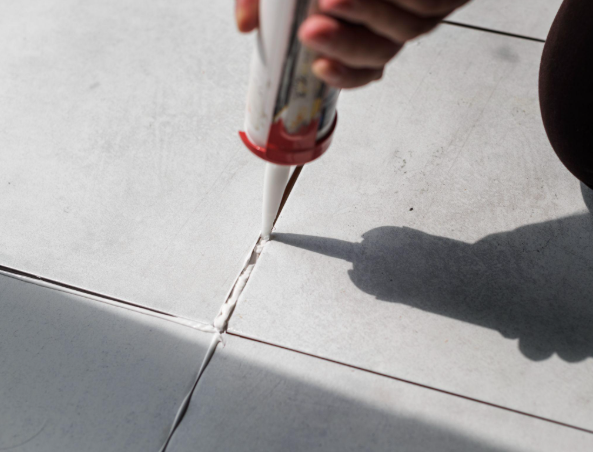
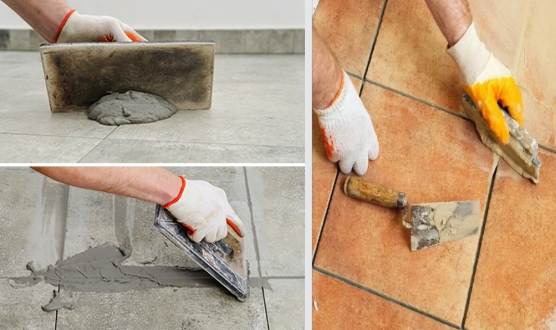
Grouting is a process that involves filling gaps, joints, or voids in concrete or between tiles using a specially prepared mixture. Traditionally, grout is made using cement, water, and sometimes additives to improve its performance. Its primary role is to seal spaces and provide structural stability while preventing moisture and debris from seeping through.
Key Characteristics of Grouting:
- Structural Integrity:
Grouting reinforces the concrete by filling cracks and gaps, reducing the chances of further damage. - Moisture Resistance:
By sealing voids, it prevents water infiltration, which can weaken concrete over time. - Cost-Effective Repair:
Grouting is generally more affordable than epoxy, making it ideal for projects with budget constraints. - Versatility:
It can be used in various construction scenarios such as flooring, tiling, and filling structural gaps in bridges or buildings.
Grouting is particularly effective when the primary goal is to repair and strengthen existing concrete rather than to provide a decorative or chemical-resistant surface. However, for areas with high chemical exposure or heavy mechanical wear, epoxy may be the better solution.
Understanding Epoxy
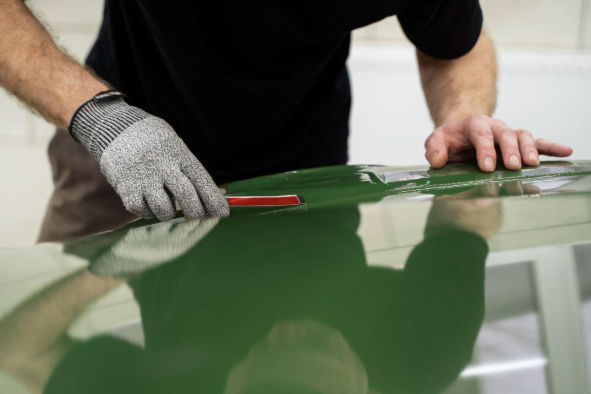
Epoxy is a resin-based material used to coat, seal, and protect concrete surfaces. It consists of two components — resin and hardener — that, when mixed, form a durable, chemical-resistant surface. Epoxy coatings are especially popular in commercial and industrial settings where a smooth, long-lasting surface finish is essential.
Key Characteristics of Epoxy:
- Exceptional Durability:
Epoxy forms a protective layer over concrete, resisting wear and tear caused by heavy traffic and machinery. - Chemical Resistance:
It is ideal for environments exposed to chemicals, oils, or other corrosive substances. - *Aesthetic Appeal**:
Epoxy provides a sleek, polished look and is available in various finishes and colors, making it suitable for showrooms and retail spaces. - Seamless Finish:
The seamless surface reduces cracks where bacteria or dirt can accumulate, improving hygiene in food production facilities or hospitals.
For businesses or homeowners seeking a long-lasting surface finish with minimal maintenance, epoxy offers unmatched performance and visual appeal.
Grouting vs Epoxy: Key Differences
When deciding between grouting vs epoxy, it is important to understand how each material performs in different situations. While both serve vital roles, they address different challenges.
| Aspect | Grouting | Epoxy |
|---|---|---|
| **Primary Purpose** | Filling cracks and gaps | Protective coating and sealing |
| **Moisture Resistance** | Good | Excellent |
| **Chemical Resistance** | Limited | High |
| **Cost** | Lower cost | Higher investment |
| **Aesthetic Options** | Limited | Wide variety of finishes and colors |
| **Maintenance** | Regular upkeep needed | Minimal maintenance required |
From this comparison, it becomes clear that grouting vs epoxy is not about which is better overall but rather which is better suited to your specific project. For example, if your goal is waterproof concrete repair, epoxy offers superior performance. On the other hand, if you are looking for a quick, cost-effective way to fill gaps in a tiled floor, grouting would be more practical.
When to Choose Grouting
Grouting remains a staple in construction and repair projects, especially where structural integrity is a primary concern. Below are scenarios where grouting is the ideal choice:
1. Tile Installations:
In homes and commercial spaces, grout is essential for filling spaces between tiles, preventing moisture from seeping underneath.
2. Structural Repairs:
Grouting helps reinforce concrete structures such as bridges, dams, and high-rise buildings.
3. Budget-Friendly Projects:
When cost is a major factor, grouting provides an affordable solution without compromising on basic performance.
4. Moderate Traffic Areas:
In spaces that don’t experience heavy foot or vehicle traffic, grout performs effectively with periodic maintenance.
For residential construction, Star Cement offers Star Cement flooring solutions that ensure the grout bonds well with the concrete base, enhancing overall durability and preventing premature damage.
When to Choose Epoxy
Epoxy is often the go-to option for projects that demand exceptional durability, aesthetics, and low maintenance. Consider epoxy in the following situations:
1. Industrial Flooring:
Manufacturing units, warehouses, and factories benefit from epoxy coatings that can withstand heavy equipment and chemical exposure.
2. Commercial Spaces:
Showrooms, hospitals, and retail outlets often require a smooth, long-lasting surface finish that enhances visual appeal.
3. Waterproofing Needs:
Epoxy’s seamless design makes it ideal for waterproof concrete repair, ensuring water does not seep into the structure.
4. Hygiene-Critical Environments:
Places like food processing units, laboratories, or medical facilities rely on epoxy for its bacteria-resistant surface.
By integrating Star Cement product durability into the base layer of an epoxy system, contractors can ensure a stable foundation for years of reliable performance.
How Star Cement Elevates Your Flooring Projects
Star Cement’s mission is to deliver high-quality products that meet the diverse needs of its customers. Its comprehensive range of cement products is engineered for superior strength, durability, and versatility. Whether a project requires grouting or epoxy, the base cement layer plays a crucial role in the outcome.
Why Choose Star Cement:
- Premium Quality Products:
Star Cement’s cement products are developed with advanced technology to ensure long-lasting performance. - Versatile Applications:
From residential homes to massive infrastructure projects, Star Cement is trusted by builders and contractors across India. - Exceptional Durability:
The focus on Star Cement product durability ensures projects remain structurally sound for decades.
Visit Star Cement’s website to learn more about its operations and customer support, including its contact page.
Combining Grouting and Epoxy for Optimal Results
In some cases, the best approach may not be choosing between grouting vs epoxy, but rather using both together. Here’s how they can complement each other:
- Initial Structural Repair with Grout:
Start by using grout to fill major cracks and voids, ensuring the surface is stable. - Protective Epoxy Layer:
Once the structural gaps are addressed, apply an epoxy coating to provide a protective, long-lasting surface finish.
This combination offers the benefits of both materials — structural stability from grout and superior surface protection from epoxy.
Contractors working on high-value commercial or industrial projects often rely on this two-step process to maximize performance and longevity.
Tips for Selecting the Right Material
When deciding between grouting vs epoxy, consider these factors:
- Project Goals:
Determine whether your priority is structural repair, aesthetics, or chemical resistance. - Budget:
Grouting is more affordable, while epoxy requires a higher initial investment but lower long-term maintenance costs. - Environment:
Areas exposed to water, chemicals, or heavy traffic often benefit more from epoxy coatings. - Timeline:
Epoxy installations may require more curing time compared to simple grouting.
By carefully assessing these factors, you can ensure the material you choose aligns perfectly with your project requirements.
Sustainability in Concrete Maintenance
As environmental concerns grow, choosing eco-friendly materials and processes becomes essential. At Star Cement, sustainability is at the core of the company’s operations. Its cement production process incorporates recycled materials and energy-efficient technologies to minimize environmental impact.
By selecting Star Cement flooring solutions, contractors and homeowners not only get superior performance but also contribute to greener construction practices. This makes it easier to align with modern sustainable building standards.
Enhance Your Flooring with Star Cement
Choosing between grouting vs epoxy doesn’t have to be complicated when the right partner is by your side. Star Cement offers quality products, expert guidance, and reliable support to help concrete surfaces deliver long-term performance.
Whether you need waterproof concrete repair, Star Cement flooring solutions, or products known for Star Cement product durability, the Star Cement team is ready to assist at every step.
Visit Star Cement to explore its range of products and services. For personalized advice or project support, customers can connect with the company through its contact page.