
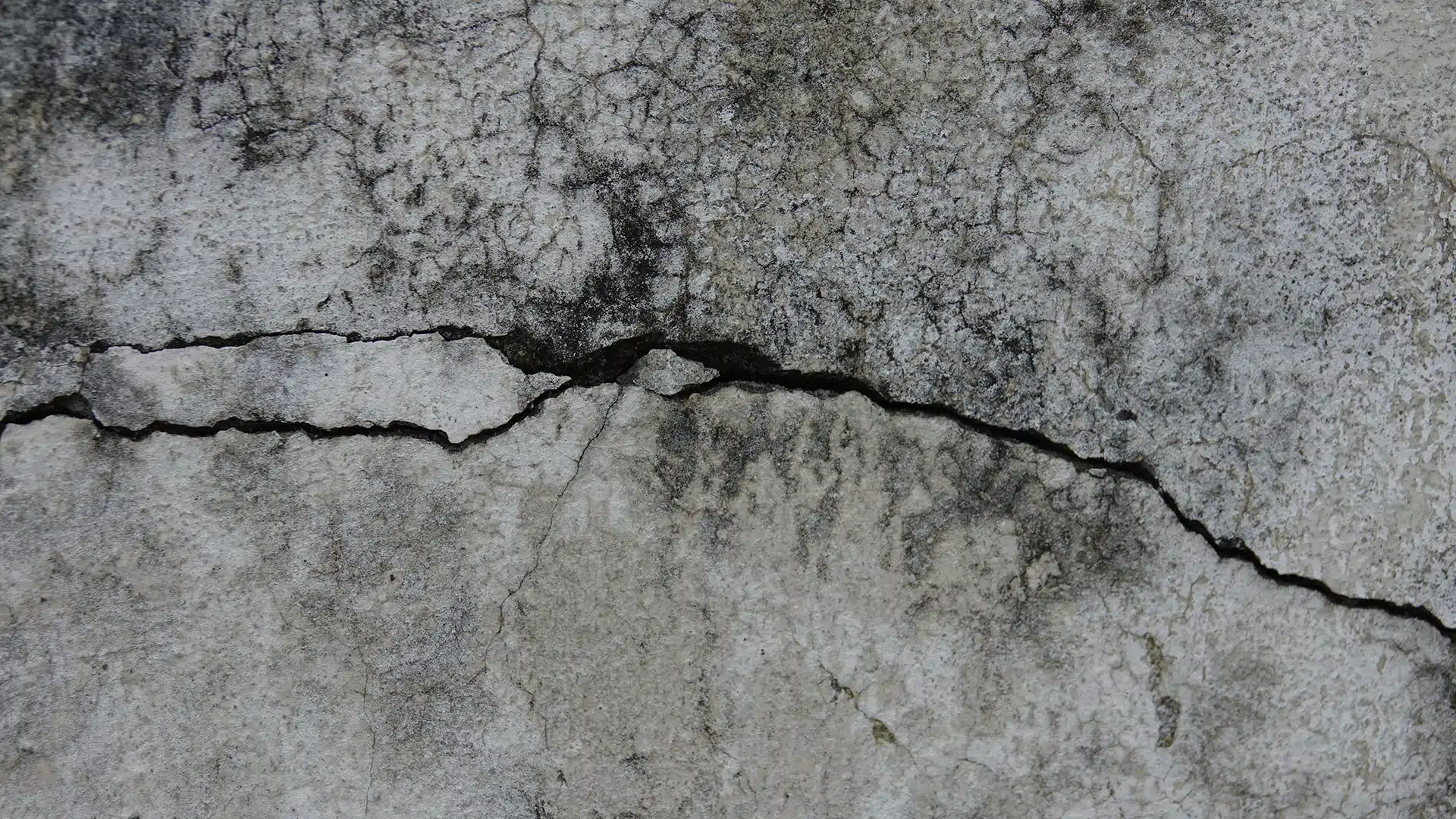
Cement plaster walls are an essential aspect of every construction project, ensuring a strong foundation for structural stability and aesthetic appeal. However, cracks in cement plaster walls can diminish both the durability and appearance of your home or commercial building. These cracks often arise due to improper techniques, poor-quality materials, or lack of maintenance.
To overcome these challenges, using high-quality materials and following expert tips can make all the difference. Leading manufacturers like Star Cement are dedicated to helping builders achieve superior wall finishes through products that guarantee durability and reduce maintenance.
This blog explores common causes, preventive measures, and maintenance practices to keep your cement plaster walls crack-free. With insights into Star Cement's expertise and innovative products, this guide will help you make informed decisions to enhance your walls' longevity.
Understanding the Causes of Cracks in Cement Plaster Walls
Cracks in cement plaster walls are not merely cosmetic problems. They signify deeper construction issues, which, if left unaddressed, can compromise a structure’s integrity. Here’s a detailed look at the primary causes:
1. Improper Curing
Cement plaster needs proper curing to achieve its intended strength. Insufficient curing causes shrinkage, leading to cracks. A common practice involves sprinkling water on the walls for at least 7–10 days to ensure hydration.
2. Low-Quality Materials
Poor-quality cement or sand reduces plaster adhesion and strength, making cracks inevitable. Investing in premium-grade products such as Star Cement guarantees consistent quality and durability.
3. Inconsistent Mix Ratios
The wrong ratio of cement, sand, and water leads to weak plaster. For best results, maintain a standard ratio, typically 1 part cement to 4-6 parts sand, based on application requirements.
4. Environmental Factors
External factors such as temperature changes, excessive sunlight, and prolonged exposure to moisture can weaken plaster, causing cracks to develop over time.
5. Structural Movements
Buildings expand and contract due to thermal changes and seismic activities. If expansion joints are not introduced during construction, stress builds up, leading to cracks in plaster.
Steps to Avoid Cracks in Cement Plaster Walls
Preventing cracks requires a proactive approach during construction and regular maintenance after completion. Here is a step-by-step guide to achieving crack-free walls:
1. Use High-Quality Cement for Plastering
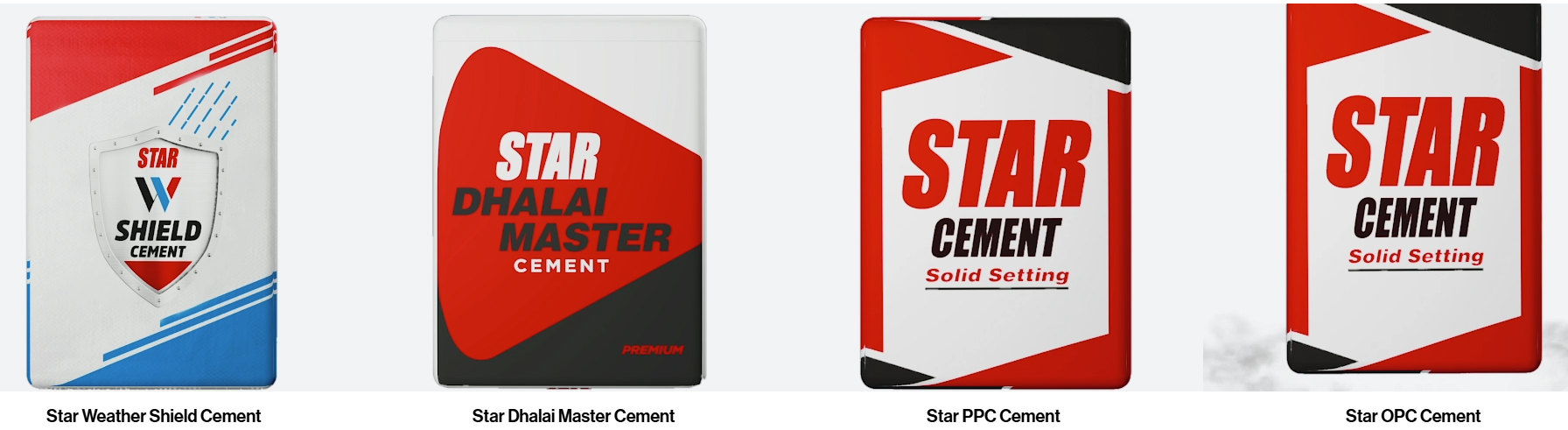
The foundation of durable plaster lies in the quality of materials used. Star Cement offers products such as Ordinary Portland Cement (OPC) and Portland Pozzolana Cement (PPC), known for their superior performance in plastering applications. These products provide excellent bonding strength and help minimize cracks.
2. Prepare the Wall Surface Properly
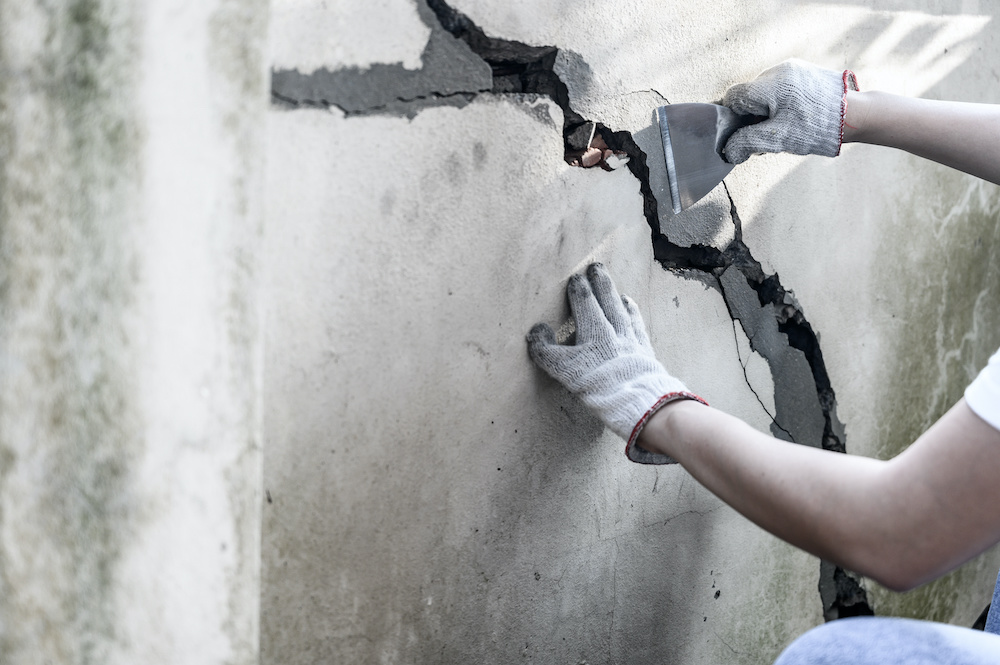
A clean and prepared surface ensures better bonding between the plaster and the wall. Remove all dust, grease, and debris before plastering. For walls with existing paint, ensure the surface is roughened for better adhesion.
3. Maintain Accurate Mix Proportions
Always measure cement, sand, and water accurately to avoid inconsistencies. Excess water weakens the plaster mix, while insufficient water leads to poor workability. The recommended ratio is 1:4 to 1:6, depending on the type of plaster required.
4. Apply Plaster in Layers
Thicker plaster applications are prone to uneven drying and cracks. Instead, apply the plaster in multiple thin layers, allowing sufficient time for each layer to set before applying the next.
5. Proper Curing is Essential
Curing prevents shrinkage and enhances the strength of the plaster. Water should be sprinkled regularly on the walls for a minimum of 7 days to maintain hydration and avoid cracks caused by rapid drying.
6. Introduce Expansion Joints in Large Walls
For larger walls, incorporate expansion joints to accommodate structural movements due to thermal or seismic activities. These joints reduce stress buildup and prevent cracking.
The Star Cement Advantage: Superior Products for Long-Lasting Walls
Choosing the right cement can make all the difference when it comes to durability and crack resistance. Star Cement is a trusted name in the industry, offering products that meet diverse construction needs.
Why Choose Star Cement?
- Quality Assured Products
Star Cement’s products, such as Star Weather Shield Cement, are specially designed to enhance plaster strength and prevent cracking. - Expert Guidance
Alongside premium products, Star Cement provides plastering tips to ensure optimal results and long-lasting performance. - Sustainability Commitment
Star Cement’s environmentally friendly practices ensure you contribute to sustainable construction while achieving superior results. - Consistency and Reliability
Star Cement is known for its high-quality production standards, ensuring uniformity and strength in every batch.
Plaster Maintenance for Long-Term Wall Durability
Even the best-plastered walls need consistent maintenance to prevent cracks and retain their appearance. Here are some essential tips to follow:
1. Regular Inspections
Inspect walls periodically for small cracks. Repairing minor cracks immediately prevents them from spreading or deepening.
2. Prevent Water Accumulation
Water seepage weakens plaster, so ensure walls are protected from prolonged moisture exposure. Use water-resistant paints or coatings for additional protection.
3. Repaint and Apply Sealants
Repainting and using sealants improve wall durability and protect against environmental damage. Products such as Star Weather Shield Cement provide an added layer of protection.
4. Repair Structural Issues
If cracks are due to structural problems, consult professionals to address the root cause. This prevents recurring issues.
Debunking Myths About Cracks in Cement Plaster Walls
There are several myths surrounding cracks in plaster walls. Here’s a closer look at some common misconceptions:
- Myth 1: Cracks only affect the surface.
Fact: Cracks can weaken a wall’s overall structure, especially if left unrepaired. - Myth 2: A fresh coat of paint solves the problem.
Fact: While paint conceals cracks temporarily, the underlying issues remain unaddressed. - Myth 3: Cracks always indicate serious structural flaws.
Fact: Not all cracks are structural; some result from poor plastering techniques or environmental conditions.
How Star Cement Supports Crack-Free Construction
Star Cement is committed to providing solutions that help builders and homeowners achieve high-quality construction. Whether it’s offering top-tier products such as Portland Pozzolana Cement (PPC) or sharing expert plastering tips, the brand ensures durability, reliability, and aesthetic excellence.
By using Star Cement products, you can ensure crack-resistant walls, a superior finish, and long-term savings on maintenance. For more personalized advice, reach out to Star Cement’s experts.
Conclusion: Build Crack-Free Walls with Star Cement
Achieving crack-free cement plaster walls is a combination of high-quality materials, proper application techniques, and consistent maintenance. By following expert tips and using trusted products like those offered by Star Cement, you can enhance the durability and aesthetic value of your walls.
Don’t let cracks compromise the beauty and strength of your home. Contact Star Cement today to explore their range of products and expert services. Build a foundation that stands the test of time with Star Cement.