
Learn how to check the quality of cement for home use, ensure cement strength, and meet construction material standards with Star Cement.
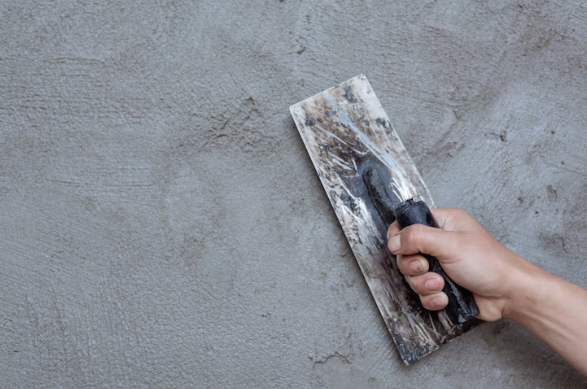
When building a home, the foundation of durability and safety begins with the quality of cement. For any residential construction project, selecting and verifying the right cement is not just a technical necessity—it is a long-term investment in a family's safety and well-being. As one of the most trusted names in the Indian cement industry, Star Cement places the highest emphasis on ensuring that every bag of cement reflects exceptional cement strength and strict adherence to construction material standards. In this article, we share expert insights on how homeowners and contractors can evaluate the cement being used at their construction sites.
Why Cement Quality Matters in Home Construction
The quality of cement directly influences the strength, durability, and lifespan of any structure. If compromised, it can lead to cracks, water seepage, structural weaknesses, and costly repairs in the future. Given that cement binds all construction materials—bricks, sand, aggregates—into a solid form, its properties must meet specific construction material standards.
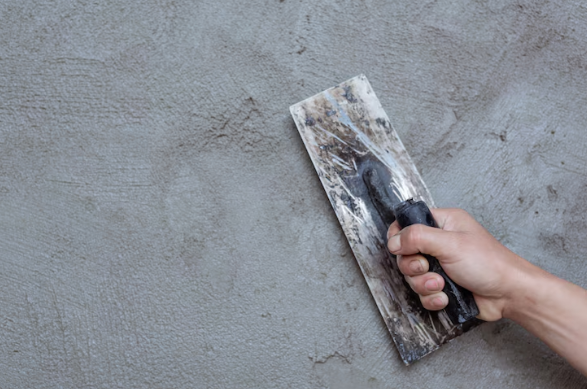
Star Cement ensures all products, including Portland Pozzolana Cement (PPC), Ordinary Portland Cement (OPC), and Star Dhalai Master, meet or exceed national and international standards. It’s state-of-the-art plants, such as those in Meghalaya, Assam, and West Bengal plant locations, are equipped with cutting-edge technology for rigorous quality control at every stage of production.
Physical Checks You Can Do On-Site
While most homeowners may not have access to labs, several simple, effective field tests can help verify the quality of cement:
1. Packaging Inspection
Genuine cement is always packaged in tamper-proof bags that carry essential information such as:
- ISI mark (e.g., IS 1489 for PPC or IS 269 for OPC)
- Batch number and manufacturing date
- Brand name (look for the Star Cement logo)
If these details are missing or unclear, it may indicate tampering or inferior quality.
2. Visual Consistency
Cement should appear uniform in color—usually grey with a greenish tint. Any variation, such as brown or dull grey, may indicate excess moisture or impurities that can compromise cement strength.
3. Smoothness Test
By rubbing cement between your fingers, it should feel fine and smooth. A rough texture indicates the presence of sand or adulterants, violating standard construction material standards.
4. Float Test
Take a handful of cement and gently drop it into water. High-quality cement should sink and not float—this indicates it is free from air pockets or contaminants.
5. Setting Time Test
Make a small cement paste and check how long it takes to begin setting. High-quality cement begins setting in approximately 30 minutes and fully sets in under 10 hours. A delayed setting can be a sign of excessive moisture content or improper grinding.

Laboratory-Based Quality Tests
For those willing to invest in professional testing or for larger-scale home projects, laboratory evaluations provide precise insights:
1. Fineness Test
Measured using a sieve, this test checks how finely the cement has been ground. Higher fineness improves the cement strength and bonding quality.
2. Compressive Strength Test
This evaluates the cement strength after 3, 7, and 28 days of curing. It’s essential to confirm whether your selected brand meets IS 4031 standards. Star Cement’s laboratories perform regular batch-wise compressive strength testing to maintain superior results.
3. Consistency Test
Standard consistency refers to the water quantity needed for a uniform cement paste. Deviations from the IS 4031-4 standard can weaken the construction.
4. Soundness Test
This test ensures the volume of cement does not change after setting, preventing cracks in structures. This is critical for high-stress applications like slabs, beams, and columns.
Why Trust Star Cement for Quality Assurance?
At Star Cement, quality of cement is a non-negotiable principle. Star Cement’s products are manufactured using carefully selected raw materials and go through over 30+ quality checks. We have in-house labs certified under BIS standards and work with advanced control systems to ensure every batch meets optimal performance parameters.
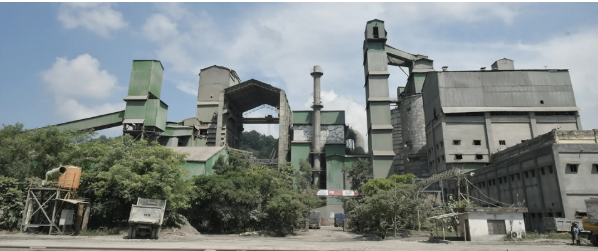
Star Cement’s commitment to quality is also reinforced by its:
- High-end vertical roller mills (VRM) for superior grinding
- Preheater kilns for consistent clinker quality
- Automated packing units to eliminate tampering or moisture ingress
You can visit Star Cement’s manufacturing facility listings here to know more about it’s infrastructure.
Additionally, Star Cement's quality assurance team is available to assist with technical queries. Those seeking guidance on cement selection or verification can connect through the contact page for expert assistance.
Cement Storage at Site: Don't Overlook This
Even the best cement, if stored improperly, can lose strength. Follow these essential site-storage practices:
- Stack cement bags at least 6 inches above ground level.
- Store them away from direct sunlight and moisture.
- Follow a “First In, First Out” (FIFO) usage pattern to ensure older cement is used before newer stock.
All Star Cement bags come with clear manufacturing and expiry dates, helping contractors and homeowners plan purchases accordingly.
Role of Construction Professionals in Cement Verification
While homeowners can perform basic checks, it is critical that site engineers, masons, and contractors also take responsibility in maintaining construction material standards. At Star Cement, Star Cement offers technical support and workshops to educate construction professionals on handling and testing it’s products effectively.
We encourage homebuilders to engage qualified civil engineers who can supervise materials, interpret lab test reports, and ensure compliance with relevant codes like IS 456:2000 and IS 1343:2012.
Avoiding Counterfeit Cement: What You Need to Know
Counterfeit cement is a growing concern in urban and rural markets alike. Star Cement combats this by:
- Using tamper-evident packaging
- Including QR codes and batch tracking
- Distributing only through authorized dealers (visit our site to find one near you)
Cement should always be purchased from reliable dealers or distributors and demand a proper invoice. In case of any doubt regarding product authenticity, reach out to Star Cement directly through it’s contact page.
Commitment to Sustainable Construction Standards
In addition to quality, Star Cement remains committed to sustainable manufacturing practices. Star Cement minimizes environmental impact through:
- Waste heat recovery systems
- Low NOx burners to reduce emissions
- High-efficiency separators that enhance grinding while saving power
All these measures contribute to better cement strength, lower carbon footprints, and compliance with eco-conscious construction material standards.
External Resources for Reference
To explore more on cement quality standards and guidelines, here are some authoritative sources:
- Bureau of Indian Standards – Cement Specifications
- CPWD – Handbook on Concrete Mixes
- National Council for Cement and Building Materials (NCCBM)
These resources can further support homeowners and professionals in verifying and understanding the technicalities behind cement performance.
Ready to Build with Confidence? Choose Star Cement
At Star Cement, we believe that a strong home begins with a strong foundation. Star Cement products deliver unmatched quality of cement, assured cement strength, and compliance with strict construction material standards. Whether building a dream home or managing a housing project, Star Cement delivers strength, consistency, and peace of mind.)
Explore the full range of Star Cement products here, or contact the Star Cement team for project-specific support.
Build with Star Cement—Where Strength Meets Trust.