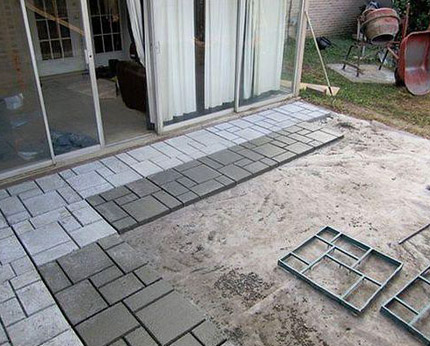
Learn how to store cement effectively, prevent moisture damage in cement, and extend cement shelf life with proper storage practices.
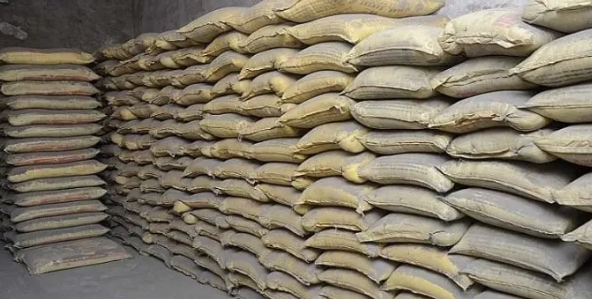
Cement is the foundation of every construction project. Its strength, durability, and performance determine the quality of any structure, whether it is a residential home, a commercial building, or a large-scale infrastructure project. Yet, even the best cement can lose its effectiveness if it is not stored properly. That is why understanding how to store cement is essential for both individual builders and large construction companies.
At Star Cement, the company manufactures high-quality cement products that meet stringent industry standards. But to ensure that its cement retains its strength until it is used, proper storage practices are vital. This article will guide readers through the best methods of storing cement, how to avoid moisture damage, and how to maximize cement shelf life.
Why Proper Cement Storage is Crucial
Cement is a highly reactive construction material. The primary binding property of cement comes from its ability to form strong bonds when mixed with water. If exposed to moisture prematurely, the cement undergoes hydration before it is used, which reduces its strength and leads to waste.
Improper storage can:
- Reduce cement shelf life significantly.
- Lead to lumps forming due to moisture damage in cement.
- Increase construction costs as spoiled cement cannot be used.
- Compromise the safety and durability of structures.
Therefore, knowing how to store cement the right way is not just a matter of efficiency, but also of safety and sustainability.
Understanding Cement Shelf Life
Cement is not a product that can last indefinitely. Its quality diminishes with time, especially if it is not stored in proper conditions. The cement shelf life is usually considered to be around 3 months when kept in a sealed environment. However, if exposed to air or moisture, the shelf life reduces drastically.
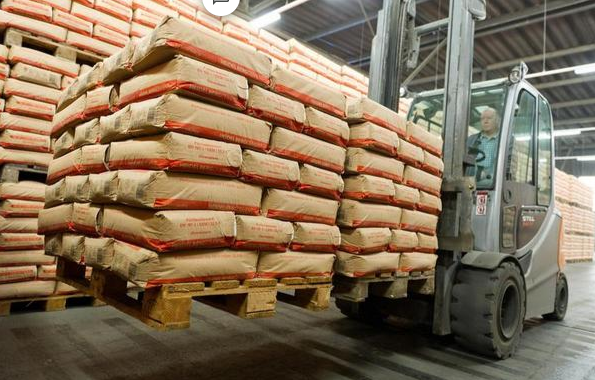
At Star Cement, the company’s products are manufactured with premium quality control, ensuring maximum performance within their effective life. But the company also advises contractors, retailers, and homeowners to carefully track purchase and storage dates to ensure that the cement is consumed within its optimal shelf life.
Common Causes of Moisture Damage in Cement
One of the most common issues in storage is moisture damage in cement. Since cement reacts readily with water, even a small amount of humidity can initiate a chemical reaction that weakens its binding properties.
The primary causes of moisture damage are:
- Improper storage environment – Cement stored directly on the floor or exposed to rainfall absorbs moisture quickly.
- Poor ventilation – Lack of airflow causes condensation in warehouses, increasing humidity levels.
- Damaged cement bags – Tears or punctures in cement bags allow moisture to seep in.
- Long-term storage – Cement loses its original quality if kept beyond its recommended shelf life.
To prevent these problems, it is necessary to understand not only how to store cement but also how to prepare storage spaces for long-term safety.
Cement Bag Stacking Tips for Safe Storage
Cement is most commonly supplied in bags, which must be stacked and stored carefully. Following proper cement bag stacking tips ensures that bags remain intact, easy to access, and protected from environmental damage.
- Always stack cement bags on raised wooden planks or pallets to prevent direct contact with the floor.
- Do not stack more than 10 bags high to avoid pressure that causes bags at the bottom to harden.
- Arrange bags in a criss-cross pattern for better stability and ventilation.
- Maintain a gap of at least 30 cm from walls to avoid moisture absorption.
At Star Cement, the company recommends that its dealers and distributors follow these stacking practices in their warehouses. This not only preserves cement shelf life but also ensures that customers receive cement in the best possible condition.
Best Practices on How to Store Cement
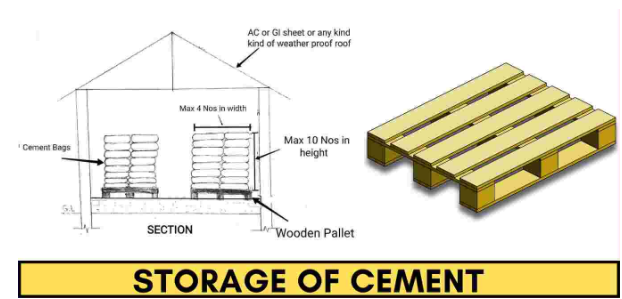
Now that the common problems and risks are clear, let us discuss the step-by-step process of how to store cement effectively:
1. Store in a Dry, Enclosed Space
Cement must always be stored indoors in a dry space, protected from rain and dampness. Warehouses should be leak-proof with proper flooring to avoid ground moisture.
2. Use Plastic or Waterproof Sheets
Cement bags can be covered with thick plastic or tarpaulin sheets. This extra layer of protection prevents humidity from entering the bags and safeguards against accidental water exposure.
3. First In, First Out (FIFO) Method
To maximize cement shelf life, always use older stock first. Keeping track of manufacturing dates helps avoid wastage.
4. Maintain Temperature and Ventilation
While cement requires a dry environment, adequate ventilation is equally important to avoid condensation. Storage spaces should not trap heat or humidity.
5. Inspect Cement Bags Regularly
Frequent inspections help identify bags that show signs of moisture damage in cement. Removing compromised bags prevents contamination of the remaining stock.
The Role of Star Cement in Quality Assurance
At Star Cement, the company is committed not only to producing high-quality cement but also to educating its customers on how to store cement effectively. Its plants across the North-Eastern region of India and its distribution network in Eastern India are designed to deliver cement in the best condition possible.
The company ensures that:
- Its cement is packaged in durable, tamper-resistant bags.
- Its dealers are trained in cement bag stacking tips and storage best practices.
- Its customer support team provides guidance on maximizing cement shelf life.
Visit Star Cement’s website for more on its operations and customer support including its contact page at Star Cement Contact Us.
Avoiding Quality Issues Through Proper Cement Handling
Even with the best storage techniques, handling also plays a crucial role. Rough handling during transportation and unloading can tear cement bags, exposing them to humidity. That is why Star Cement ensures strict handling protocols at every stage of its supply chain.
The company recommends that:
- Cement bags are transported on pallets or trolleys rather than dragged.
- Bags are not thrown or dropped during unloading.
- Any torn bags be sealed immediately and used as early as possible.
By following these practices, construction professionals can safeguard the quality of cement from factory to site.
How Star Cement Supports Builders and Homeowners
Star Cement is not just a cement manufacturer—it is a partner in building long-lasting homes and infrastructure. Along with offering superior Ordinary Portland Cement (OPC), Portland Pozzolana Cement (PPC), and specialized products such as Star Dhalai Master Cement, the company provides complete guidance on maintaining cement quality until it is used.
From large infrastructure projects to individual homeowners building their dream houses, its products and advice on how to store cement ensure that every project achieves maximum strength and durability.
For further details on the product range and manufacturing excellence, visit Star Cement.
Ensure Stronger Construction by Storing Cement Right
Cement is one of the most valuable building materials, but its quality is highly dependent on proper storage and handling. By understanding how to store cement, builders and homeowners can avoid unnecessary waste, prevent moisture damage in cement, and extend cement shelf life. Following recommended cement bag stacking tips ensures that every bag remains in usable condition.
At Star Cement, the company takes pride in producing cement of the highest quality and guiding its customers in preserving its strength until application. Whether a contractor, retailer, or homeowner, adopting the right storage practices ensures that construction stands the test of time.
For expert guidance and to learn more about the products, visit Star Cement today. To connect with the company directly, reach out at Star Cement Contact Page.