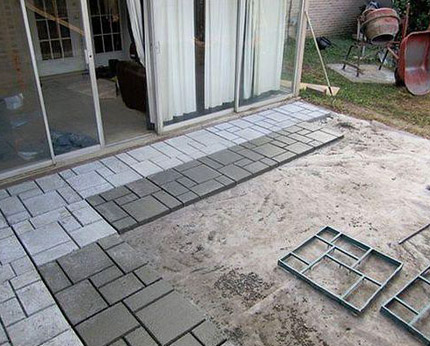
Expert monsoon cement tips from Star Cement for damp-proof plastering, waterproof cement mix, and curing cement in rainy season.
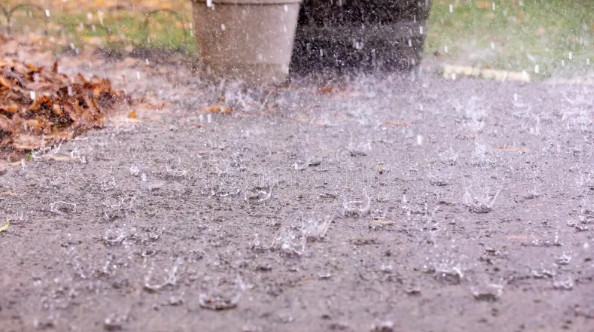
The monsoon season is a true test of a building’s durability. While rain brings relief to the climate, it also exposes construction to challenges like dampness, cracks, and structural weakening. At Star Cement, it is understood that a home or construction project is more than just a structure—it is an investment for generations. This is why Star Cement’s expertise and high-quality products are geared towards ensuring strong, monsoon-proof construction.
This guide shares expert monsoon cement tips drawn from years of experience in manufacturing premium cement, helping builders, architects, and homeowners make informed choices. It also covers damp-proof plastering, waterproof cement mix techniques, and practical ways of curing cement in rainy season to achieve long-term durability and anti-leak construction.
Understanding Monsoon Challenges in Construction
The monsoon season brings with it several challenges for construction projects:
- Prolonged Moisture Exposure: Continuous rain keeps surfaces wet, making it difficult for cement to set and cure properly.
- Dampness in Walls: Without proper damp-proof plastering, walls absorb moisture, leading to paint damage, fungal growth, and weakened strength.
- Cracks in Structures: Poor curing practices or inappropriate cement mixes can cause shrinkage cracks that worsen during wet weather.
- Leakages: Water infiltration through roofs, terraces, or walls due to lack of anti-leak construction measures.
Star Cement aims to help address these challenges from the planning stage itself, ensuring that every structure remains strong regardless of the season.
1. Choosing the Right Cement for Monsoon
Construction
One of the most important monsoon cement tips is selecting a cement type suited to wet-weather challenges. Not all cement performs equally when exposed to high humidity or direct rainfall.
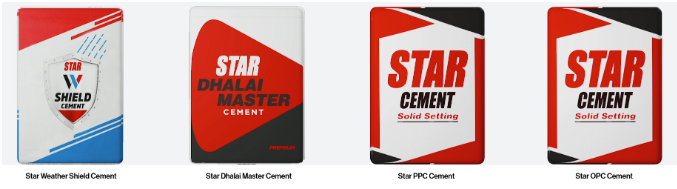
Why Star Cement is Ideal for Monsoon Conditions:
- Consistent Quality: Star Cement’s Portland Pozzolana Cement (PPC) contains fly ash, which enhances workability and reduces permeability, making it excellent for waterproof cement mix applications.
- High Strength OPC: Star Cement’s Ordinary Portland Cement (OPC) ensures superior compressive strength, ideal for critical structural elements.
- Star Dhalai Master Cement: Designed for high workability and smooth finishing, which is crucial for proper damp-proof plastering.
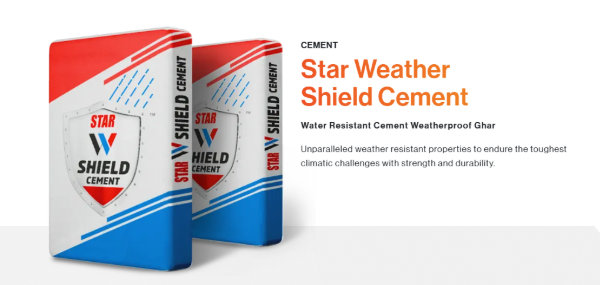
- Weather Shield Cement: Specifically engineered for anti-leak construction, reducing water ingress and protecting against dampness.
Visit Star Cement’s website to learn more about its operations and customer support, and explore the Star Cement Contact Page to get in touch with the team.
2. Damp-Proof Plastering: First Line of Defence
Damp-proof plastering acts as a shield against water absorption. During the monsoon, untreated walls act like sponges, soaking in moisture that damages interiors.
Best Practices for Monsoon Damp-Proofing:
- Use a waterproof cement mix with an appropriate water-cement ratio to reduce porosity.
- Add chemical waterproofing agents during plaster preparation.
- Ensure the plaster thickness is uniform and free from cracks.
- Cure plastered surfaces adequately — curing cement in rainy season may require covered or controlled conditions to prevent waterlogging.
Star Cement recommends using its high-grade PPC with an integrated waterproofing admixture to get the best balance of workability and resistance against moisture.
3. Waterproof Cement Mix: Reducing Permeability
A waterproof cement mix is essential to reduce water ingress, especially for basements, bathrooms, terraces, and outer walls.
Monsoon Cement Tips for Mixing:
- Keep the water-cement ratio between 0.4 and 0.45 for reduced permeability.
- Incorporate waterproofing admixtures or polymers.
- Use clean, washed sand to avoid contaminants that weaken the bond.
- Mix small batches so the cement doesn’t set prematurely in the humid air.
When paired with Star Cement’s quality control, a waterproof cement mix not only prevents leaks but also ensures a dense, compact finish that stands the test of time.
4. Curing Cement in Rainy Season: Timing & Technique
Curing cement in rainy season is tricky. Excess water can wash away the cement paste from the surface or prevent proper hydration.
Star Cement’s Recommendations:
- Use polythene sheets or tarpaulin to cover freshly laid concrete.
- If curing water is to be used, ensure it’s clean and controlled in volume.
- Avoid curing during heavy downpours; instead, schedule curing during light rain or dry intervals.
- For plaster, mist curing is more effective in humid conditions.
This ensures the cement sets properly while preventing cracks caused by uneven drying — a common issue without proper monsoon care.
5. Anti-Leak Construction Techniques
Anti-leak construction is a proactive approach. Rather than repairing water ingress after it happens, the structure is built to prevent it entirely.
Key Strategies:
- Use Star Cement’s Weather Shield Cement for exterior finishes and roofs.
- Apply bitumen-based or polymer-based coatings on terraces and basements.
- Incorporate proper slope designs for roofs to avoid water pooling.
- Seal all construction joints with waterproof grouts.
Star Cement has contributed to numerous projects that have withstood multiple monsoon cycles through the implementation of anti-leak measures from the outset.
6. Foundation & Structural Protection During Monsoon
Your foundation is the backbone of your structure. Water damage at this stage can have long-term consequences.
- Excavate and pour foundations during dry spells.
- Use a waterproof cement mix to prevent seepage.
- Compact soil properly before pouring concrete.
- Apply damp-proof plastering on plinth walls.
Star Cement’s technical experts often assist construction teams in ensuring the mix and application are aligned with monsoon demands.
7. Terrace & Roof Waterproofing
Terraces are the most exposed areas during monsoon and a common source of seepage.
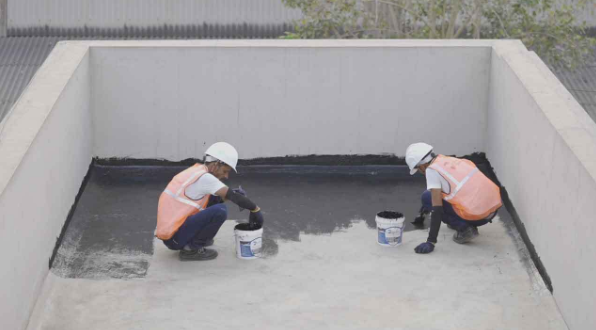
- Apply multiple layers of waterproof coating.
- Use lightweight screed with waterproof cement mix.
- Incorporate proper slopes and water outlets.
- Seal expansion joints to prevent seepage paths.
For these applications, Star Cement’s PPC with high fineness offers excellent bonding for top coats and protective layers.
8. Interior Protection from Dampness
Even with good external protection, interiors can develop damp patches if the right plaster and cement mix aren’t used.
- Opt for damp-proof plastering in all external-facing walls.
- Use Star Weather Shield Cement for improved resistance.
- Regularly inspect for cracks and seal them immediately.
By integrating these recommended monsoon cement tips from the outset, interior spaces can be protected from moisture-related damage for decades.
9. Real-World Example: Monsoon-Resilient Housing Projects
In several housing projects across the North East and Eastern India, Star Cement’s Weather Shield Cement and PPC have been used extensively for anti-leak construction. Builders report significantly fewer damp patches, reduced maintenance costs, and enhanced structural life.
These real-world outcomes show the power of combining the right cement with precise application techniques, especially in challenging weather.
10. Environmental Considerations
Star Cement is also committed to sustainable building practices. By manufacturing PPC using fly ash, Star Cement not only produces a high-performing cement but also recycles industrial waste, reducing environmental impact. This aligns with the needs of monsoon construction — lower permeability, higher durability, and eco-friendly sourcing.
Build Monsoon-Ready Structures with Star Cement
The monsoon need not be a threat to your construction project. With the right monsoon cement tips, proper damp-proof plastering, a reliable waterproof cement mix, and strategic anti-leak construction practices, you can ensure your structure stands strong year after year. Star Cement’s high-quality cement products and technical expertise are designed to meet these challenges effectively.
Whether you’re looking for advice on curing cement in rainy season or selecting the best cement for your project, Star Cement’s team is available to assist. Visit our website to explore our full product range and learn more about our customer support at Star Cement Contact Page. Together, let’s make your building monsoon-proof for a lifetime.