
Discover the best mixing ratio for plaster, ideal cement to sand ratio, plasticizer tips, and plaster thickness recommendations from Star Cement.

Plastering is one of the most critical finishing tasks in construction. It defines not just the visual aesthetics of a building but also impacts its durability, weather resistance, and long-term maintenance. At Star Cement, exceptional plasterwork begins with a precise understanding of materials, their ratios, and application techniques.
Among the many questions builders ask, one remains consistently vital: What is the best mixing ratio for plaster? This article is a complete guide developed by Star Cement's in-house experts to help builders and construction professionals achieve the right proportions, processes, and performance, backed by Star Cement's product quality and construction support services.
Why Plaster Mix Ratio Matters in Construction
Choosing the best mixing ratio for plaster is not just about aesthetics—it is a matter of structural performance. Incorrect ratios lead to common plastering failures such as cracking, debonding, or powdering. A properly balanced mix ensures:
- A smooth finish with high bonding strength
- Resistance to moisture and climate variations
- Efficient curing and minimal shrinkage
- Lower maintenance and rework costs
Using the right cement, like Star Cement’s high-performance Ordinary Portland Cement (OPC), combined with quality sand and additives, makes all the difference.
Understanding the Cement to Sand Ratio for Plaster
The cement to sand ratio for plaster is the heart of a successful plaster mix. This ratio determines the balance between strength and workability.
Typical cement to sand ratios include:
- 1:4 – Used for high-strength applications and external walls
- 1:5 – Commonly used for internal wall plastering
- 1:6 – More economical but lower strength, used in non-load-bearing areas
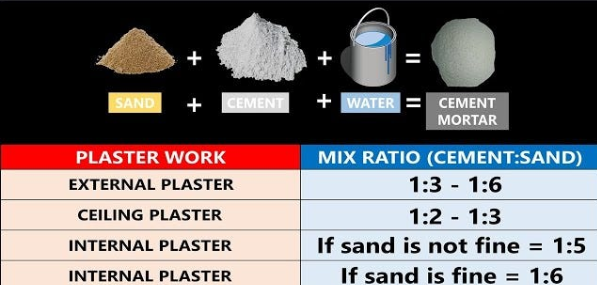
Star Cement generally recommends a 1:4.5 to 1:5 ratio for internal and external wall plastering.) This ensures sufficient adhesion and durability, without making the plaster mix too stiff or brittle.
This recommendation is especially effective when used with Star Cement's OPC, known for its fine grain, superior binding properties, and consistent quality. Learn more about Star Cement's products here.
Ideal Plaster Thickness Recommendations
Alongside the mix ratio, plaster thickness recommendations play a crucial role in determining the performance of plastered surfaces. Star Cement suggests the following standards for optimal results:
- Internal walls: 12–15 mm thickness
- External walls: 15–20 mm thickness (can be done in two coats for even distribution)
- Ceilings: 10–12 mm thickness to prevent sagging
Exceeding or reducing the ideal thickness can lead to problems such as cracking, peeling, and moisture ingress. With correct thickness and the best mixing ratio for plaster, Star Cement ensures a smooth, durable finish that’s built to last.
Enhancing Plaster Mix with Plasticizer
To achieve better workability without increasing water content, Star Cement recommends the use of a plasticizer in plaster mix. A plasticizer improves the ease of application and allows for a smoother finish by:
- Increasing the plasticity of the mix
- Reducing the water-cement ratio
- Preventing shrinkage cracks
- Enhancing bonding with the surface
Star Cement recommends adding 0.5% to 1% plasticizer by weight of cement. This combination works best when used with a 1:4.5 or 1:5 cement to sand ratio for plaster, delivering superior results even under site-specific conditions.
The Step-by-Step Process to Achieve the Best Mixing Ratio for Plaster
Star Cement recommends a detailed and disciplined approach to plastering. Here’s a process our technical teams recommend to achieve optimal results:
Step 1: Material Selection
- Use fresh Star OPC Cement (Grade 43 or 53 as required)
- River sand or crushed sand with proper grading
- Clean water, free of salts and organic matter
- Plasticizer if needed for enhanced workability
Step 2: Dry Mixing
- Use a measuring box for consistency
- Mix cement and sand thoroughly in dry form in the correct ratio
- Ensure no lumps remain in the mix
Step 3: Adding Water and Plasticizer
- Add water gradually to achieve the desired level of workability
- Mix until the mortar has a smooth, uniform consistency
- Introduce plasticizer in plaster mix at this stage as per requirement
Step 4: Application
- Apply in layers depending on the required plaster thickness recommendations
- Use proper curing methods post-application to strengthen the final layer
Step 5: Curing
- Begin curing after 24 hours
- Continue curing for at least 7 days (interior) or 14 days (exterior)
This workflow ensures that every batch of plaster follows the best mixing ratio for plaster, resulting in strong and long-lasting finishes.
Common Plastering Mistakes to Avoid
Despite knowing the right ratio, errors in execution can ruin the final results. Star Cement’s site experts have identified common pitfalls:
- Overuse of water: Weakens the mix, leading to cracks
- Improper ratio measurement: Affects bonding and longevity
- Ignoring plasticizer use: Reduces workability and increases shrinkage
- Applying uneven plaster thickness: Causes lumps and structural imbalance
Avoiding these issues while sticking to recommended plaster thickness recommendations helps ensure that the plaster stands the test of time.
Star Cement: A Trusted Name in Quality Construction
Star Cement has been a cornerstone in the infrastructure growth of Northeast India and beyond. Star Cement's journey began with a commitment to provide best quality cement and unmatched customer service. Star Cement offers a product range tailored for high-performance applications, including:
- Ordinary Portland Cement (OPC)
- Portland Pozzolana Cement (PPC)
- Star Weather Shield Cement
- Star Dhalai Master
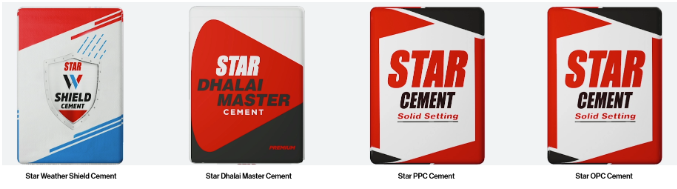
Star Cement’s commitment extends beyond just supply. Star Cement partners with construction professionals across India to provide mix design support, site guidance, and technical consultancy—so that the best mixing ratio for plaster is applied with full confidence.
For assistance with project planning or selecting the right product for plastering,) contact Star Cement here.
Frequently Asked Questions
1. What is the ideal cement to sand ratio for plaster?
Star Cement recommends a 1:4.5 to 1:5 ratio for general wall plastering. This ratio provides the perfect balance of strength and workability, especially when applied using Star OPC Cement.
2. Can I add a plasticizer in the plaster mix?
Yes. A good-quality plasticizer in plaster mix improves ease of application and prevents cracks caused by shrinkage. Use 0.5%–1% by cement weight.
3. What is the recommended plaster thickness for ceilings and walls?
Star Cement suggests 10–12 mm for ceilings, 12–15 mm for interior walls, and 15–20 mm for external walls. Following plaster thickness recommendations ensures consistent results and durability.
4. Which Star Cement product should I use for plastering?
Star Cement recommends using Star OPC for plastering applications, thanks to its fine particles and consistent quality. It provides superior adhesion and surface finish.
Real-World Success: Star Cement in Action
In a large-scale housing project in Assam, the construction team partnered with Star Cement to design the plaster mix. Using Star Cement's recommended best mixing ratio for plaster, including OPC cement and plasticizer, the team achieved:
- 20% faster plastering speed
- 90% reduction in post-plaster repair work
- Smooth finishes across over 500 housing units
This is just one example of how Star Cement supports efficient, sustainable, and high-quality construction.
Building Green with the Right Plaster Mix
Star Cement is a leader in responsible construction. Using the best mixing ratio for plaster helps reduce environmental waste, lowers raw material consumption, and extends the lifespan of structures.
Here’s how:
- Fewer cracks and rework: Means less material waste and energy consumption
- Better thermal insulation: When applied correctly, plaster aids in temperature regulation
- Efficient use of water and cement: Enhances sustainability
With its fully integrated, eco-conscious manufacturing approach, Star Cement strives to minimize the environmental impact of every bag of cement produced. Learn more about Star Cement's green initiatives on the Star Cement website.
Let Star Cement Help You Get it Right – Every Time
Plastering may seem like a finishing step, but it is one of the most visible and vulnerable parts of your construction. Choosing the best mixing ratio for plaster, using quality cement, and applying the correct techniques are essential to long-term success.
The best mixing ratio for plaster is not a one-size-fits-all formula—it is a blend of science, experience, and quality materials. Star Cement brings together all three for every project. With high-grade cement, expert consultation, and a commitment to quality, Star Cement helps achieve impeccable finishes—plaster after plaster, wall after wall.
At Star Cement, the commitment does not end with manufacturing. It continues through every stage of the construction journey.)From selecting the right cement to guiding you on-site, Star Cement committed to ensuring that your plastering stands out in strength and style.
Ready to get started?
Contact Star Cement's specialists or request a site visit.
📩 Contact us here