
The global construction industry is evolving, with sustainability taking center stage in modern infrastructure development. With rising concerns over environmental degradation and carbon emissions, the demand for **sustainable building materials** has grown exponentially. Governments, developers, and consumers are increasingly looking for solutions that reduce environmental impact while ensuring long-lasting and resilient structures.
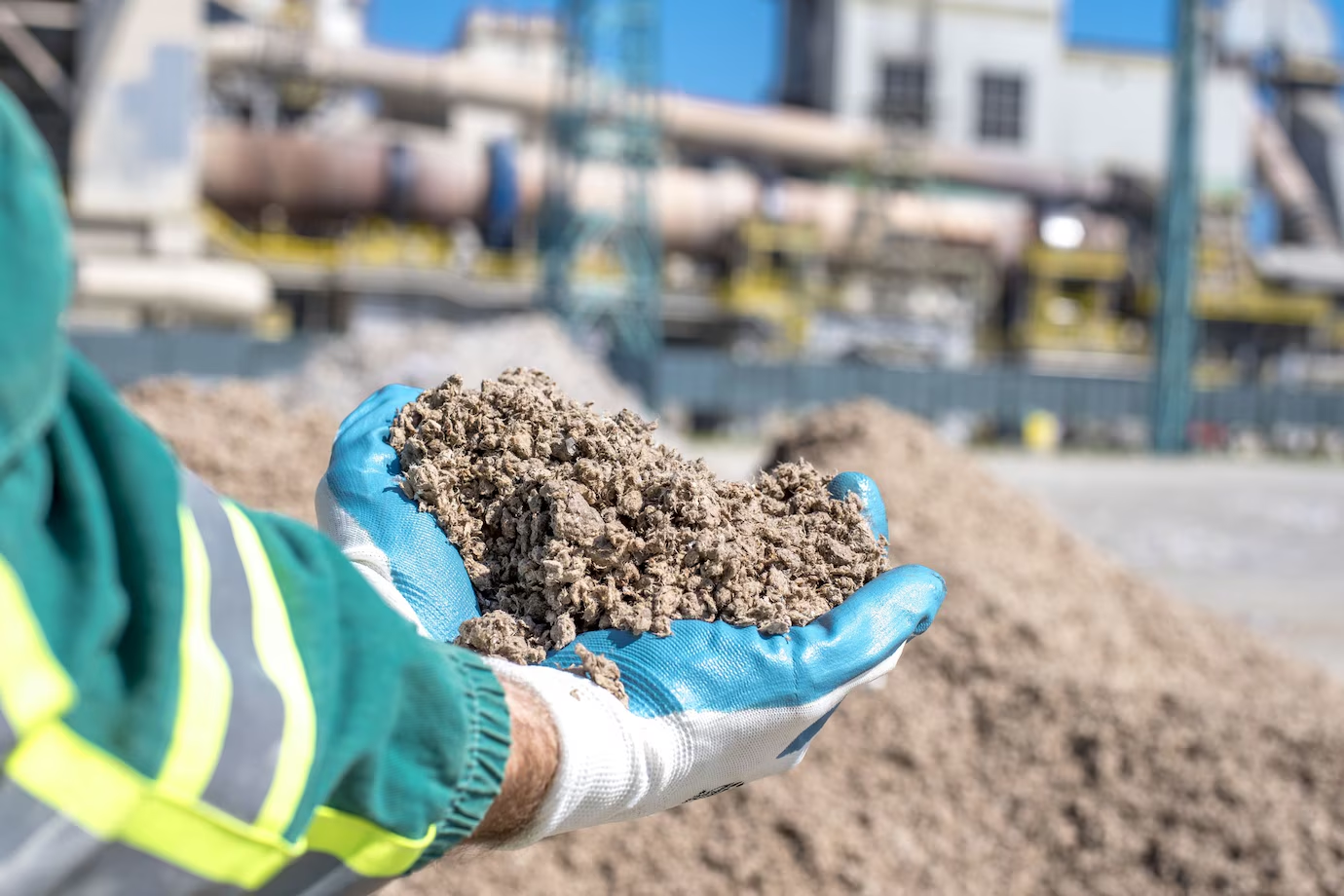
Cement, a fundamental component of construction, has often been criticized for its high carbon footprint. However, local cement plants are playing a crucial role in reversing this narrative. By adopting eco-friendly cement solutions, minimizing transportation emissions, and supporting a circular economy, these plants contribute significantly to sustainable development.
As a leader in the industry, Star Cement is committed to sustainability, ensuring that its cement production aligns with environmental goals while maintaining the highest quality standards. With strategically located cement plants, Star Cement reduces logistical inefficiencies and enhances accessibility, making sustainable construction a viable reality for builders and developers.
The Growing Need for Sustainable Building Materials
The construction industry is responsible for nearly 40% of global CO₂ emissions, making the transition to sustainable building materials imperative. Cement production alone contributes approximately 8% of global carbon dioxide emissions due to energy-intensive processes. To mitigate this impact, cement manufacturers are embracing green technologies, alternative fuels, and waste utilization techniques.
Characteristics of Sustainable Cement
To be considered truly sustainable, cement must incorporate the following attributes:
- Lower Carbon Footprint – Innovative production techniques such as carbon capture and alternative materials help reduce emissions.
- Energy Efficiency – Modern kilns and alternative fuel sources ensure that energy consumption remains minimal.
- Waste Reduction – The use of industrial by-products like fly ash, slag, and recycled aggregates minimizes the need for virgin raw materials.
- Durability and Longevity – High-quality cement increases the lifespan of structures, reducing maintenance and reconstruction costs.
- Water Conservation – Sustainable cement plants implement efficient water recycling systems to minimize waste.
The Impact of Unsustainable Cement Production
Traditional cement production has long been associated with excessive resource consumption and environmental degradation. The unchecked extraction of limestone, sand, and clay contributes to habitat destruction and soil erosion. Additionally, cement manufacturing emits large amounts of CO₂, exacerbating climate change.
Local cement plants are now mitigating these challenges by adopting green manufacturing practices, incorporating waste-derived materials, and prioritizing sustainability across operations.
How Local Cement Plants Support Sustainable Construction
1. Reduction in Transportation Emissions
One of the significant advantages of choosing options found through a search for "cement plants near me" is the drastic reduction in transportation emissions.Transporting cement from distant production facilities increases fuel consumption and greenhouse gas emissions, negatively impacting the environment.
By establishing cement plants in key locations, companies like Star Cement reduce transportation distances, ensuring that sustainable building materials reach construction sites with minimal carbon footprint. This localized approach not only benefits the environment but also ensures cost efficiency for builders.
2. Adoption of Eco-Friendly Manufacturing Techniques
Modern cement plants are increasingly investing in eco-friendly cement solutions by integrating low-carbon production methods. These include:
- Use of Alternative Fuels: Replacing traditional fossil fuels with biomass, waste-derived fuels, and renewable energy sources.
- Energy-Efficient Kilns: Advanced kiln technologies that consume less energy while maximizing production output.
- Carbon Capture Technologies: Emerging techniques that capture and store CO₂ emissions from cement manufacturing.
Star Cement is at the forefront of these advancements, constantly innovating to enhance sustainability across its production facilities.
3. Efficient Water Management and Conservation
Water is a critical resource in cement manufacturing and is used in cooling processes and material preparation. Unsustainable water usage can deplete local water tables and affect surrounding ecosystems.
Local cement plants are now implementing closed-loop water recycling systems, ensuring minimal wastage. Additionally, rainwater harvesting and wastewater treatment solutions are becoming standard practices in sustainable cement production.
Star Cement’s facilities prioritize water conservation, aligning with environmental regulations and sustainable development goals.
4. Waste Utilization and Circular Economy Practices
A sustainable cement plant operates within a circular economy, where waste is repurposed to create new materials, minimizing reliance on virgin resources. This approach includes:
- Utilization of Industrial By-Products: Incorporating fly ash from power plants, slag from steel industries, and silica fume into cement mixes.
- Recycling Cement Dust: Capturing and reusing dust particles generated during production.
- Reusing Construction and Demolition Waste: Crushing and repurposing waste concrete into aggregates for new construction projects.
Through these practices, Star Cement actively contributes to waste reduction and sustainable material usage.
5. Boosting Local Economies and Employment Opportunities
Choosing options found through a search for "cement plants near me" can play a crucial role in strengthening local economies, in addition to offering environmental benefits. By establishing production facilities in key regions, cement manufacturers create employment opportunities, support local businesses, and contribute to regional economic growth.
Star Cement’s commitment to sustainable development extends beyond production—it actively supports local communities through employment generation and skill development initiatives.
Star Cement’s Sustainability Commitment
As a leader in the cement industry, Star Cement takes a holistic approach to sustainability, incorporating green practices across all aspects of production.
1. Environmental Responsibility
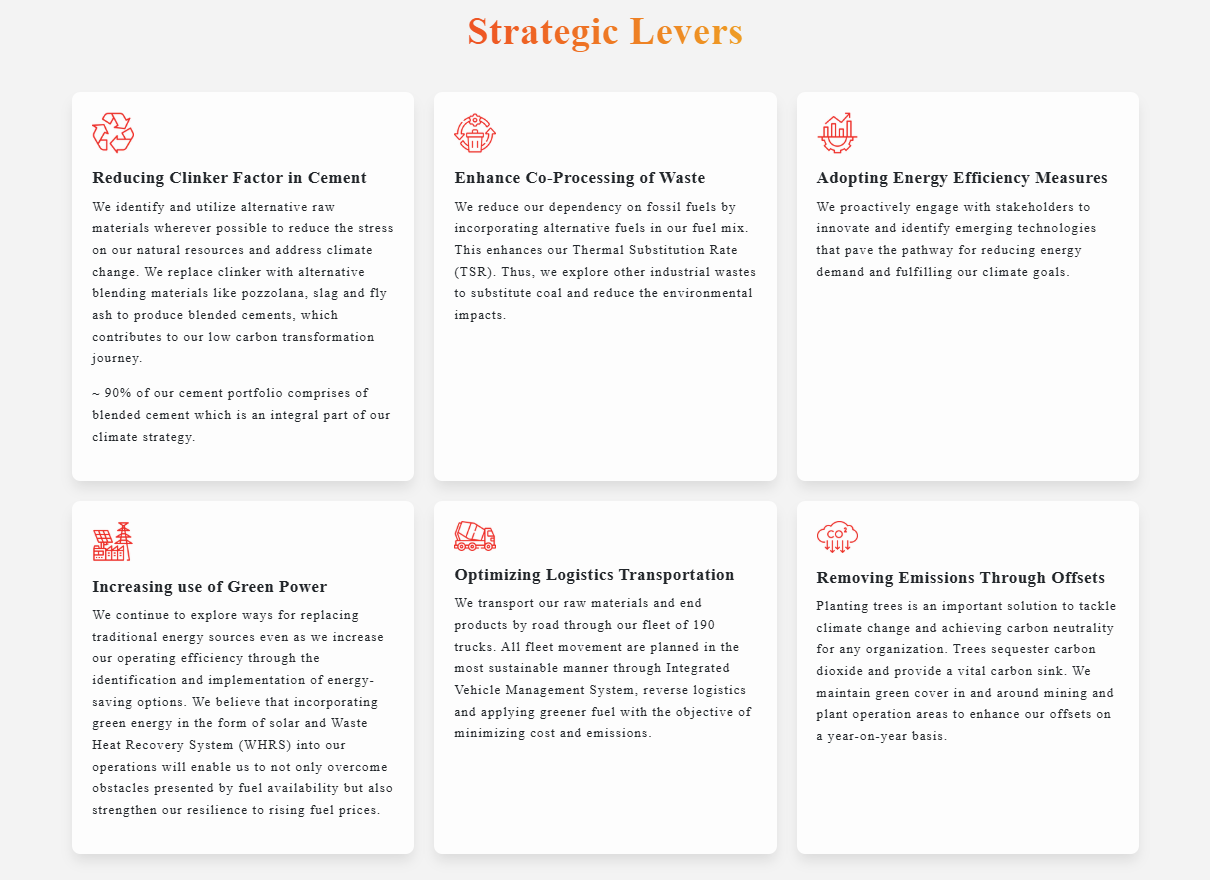
Star Cement’s environmental data showcases its commitment to minimizing carbon emissions, reducing waste, and optimizing resource utilization. Key initiatives include:
- Energy Efficiency Measures: Implementation of high-efficiency clinker production methods.
- Alternative Fuel Usage: Adoption of biomass and industrial waste as fuel sources.
- Carbon Footprint Reduction: Investment in renewable energy and carbon capture technologies.
2. Strategic Plant Locations for Sustainable Distribution
To enhance sustainability, Star Cement strategically positions its manufacturing units in key locations across Assam, Meghalaya, and West Bengal. This ensures that high-quality sustainable building materials reach construction sites with minimal transportation emissions.
More details about Star Cement’s plant locations can be found here.
3. Innovations in Eco-Friendly Cement Solutions
Star Cement continuously invests in research and development to create eco-friendly cement solutions that meet modern construction needs while reducing environmental impact. These solutions focus on:
- Low-Carbon Cement Production
- Enhanced Durability for Longer Building Lifespans
- Advanced Material Composition to Reduce Natural Resource Dependence
For a comprehensive overview of Star Cement’s sustainability initiatives, visit here.
Why Choosing Local Cement Matters for a Greener Future
The benefits of choosing options found through a search for "cement plants near me" go beyond convenience. By opting for locally produced sustainable building materials, construction professionals contribute to:
- Lower Carbon Footprint – Reduced transportation emissions and fuel consumption.
- Stronger Local Economies – More jobs and economic stability in regional markets.
- More Sustainable Infrastructure – Longer-lasting, durable construction with minimal environmental impact.
- Support for Green Manufacturing – Encouraging more cement manufacturers to adopt eco-friendly cement solutions.
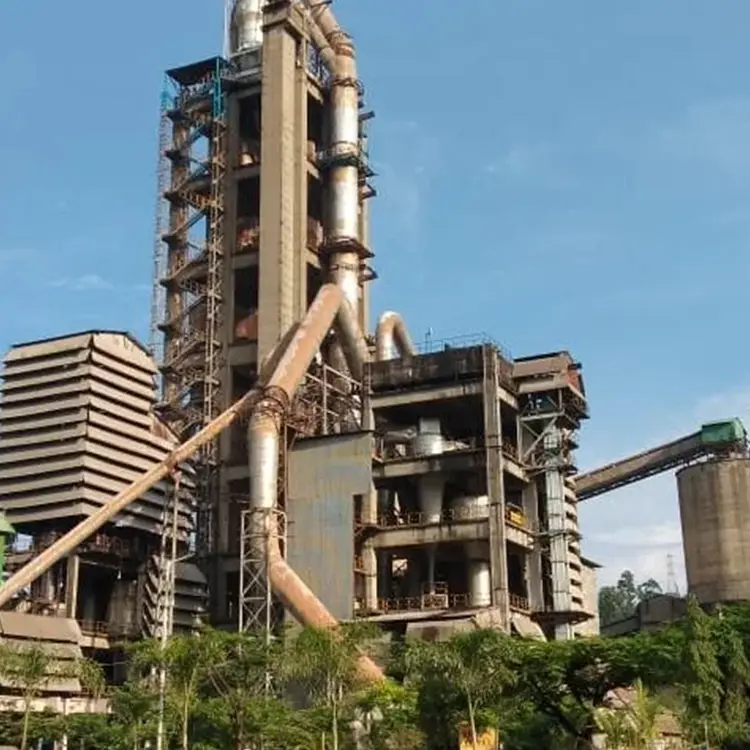
With sustainability becoming an industry standard, local cement plants are leading the way toward greener and more responsible construction practices.
Choose Star Cement for a Sustainable Tomorrow
As sustainability takes center stage in modern construction, choosing the right cement manufacturer is crucial. Star Cement is dedicated to providing sustainable building materials that align with environmental and economic goals. By leveraging local production, minimizing emissions, and embracing eco-friendly cement solutions, we ensure that every construction project contributes to a greener future.
To learn more about our commitment to sustainability and find cement plants near me, visit Star Cement. Let's build responsibly for future generations.