
Discover which indoor plants align with Vastu Shastra and how durable concrete planters made with Star Cement bring balance, strength, and style into your home.
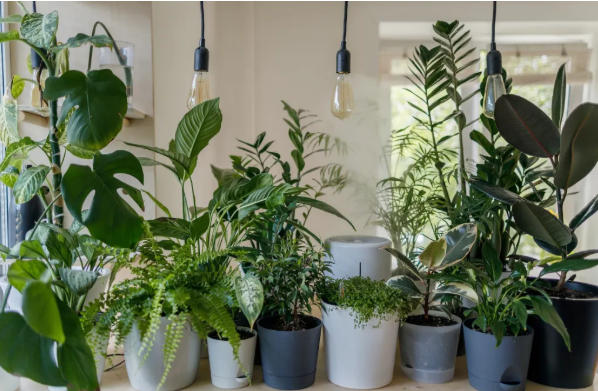
Nature is not ornamental; nature is sacred. In Indian culture, plants (and the trees they come from) are part of the fabric of traditions. Vastu Shastra defines the role of plants as something that has the power to draw in positivity, wealth, joy and good health. Indoor plants, like all plants, require more than just water and sunlight—they require a proper placement, purpose, and container.
When you combine indoor plants with carefully chosen, artistically designed concrete planters with usable shapes and sizes, you can enhance the essence of chi and influence the direction of energy flow within your home. In fact, there is strength - and thus stability - in choosing trustworthy materials like Star Cement for your planters; not to mention the great fortune you might just be inviting in.
Here is a full Vastu-based information guide for choosing the products and a hassle-free way of housing plants in strong, sturdy, beautiful concrete planters.
The Role of Vastu Indoor Plants
Vastu Shastra, India’s ancient architectural science, associates every direction with elements and energies. Plants, representing the element of Earth, help ground the energy in your home, while also cleansing the air and improving mental clarity.
Some of the key benefits of keeping Vastu-aligned plants indoors include:
- Improved oxygen flow and air quality
- Enhanced harmony and peace of mind
- Correction of imbalanced zones (doshas)
- Visual and emotional calmness
When placed according to Vastu indoor plants guidelines, these plants become more than décor—they become silent supporters of a family's health and prosperity.
Top Indoor Plants Recommended in Vastu
1. Money Plant (Epipremnum aureum)
The money plant is known for its air-purifying properties and its reputation for bringing financial growth. According to Vastu, placing the money plant in the southeast corner (associated with Venus) can attract prosperity and positive energy. Avoid placing it in the northeast, as that may lead to disagreements or financial loss. You can grow this plant in water or soil—but ensure it’s supported in a sturdy, grounded planter.
2. Tulsi (Holy Basil)
Revered in Indian households, Tulsi is a sacred plant believed to purify the environment and bring spiritual well-being. It should be placed in the north, east, or northeast corner of your home, ideally on a raised concrete platform or planter. Make sure the plant receives plenty of sunlight and is regularly tended to—it’s believed that a neglected Tulsi plant brings stagnancy into the home.
3. Areca Palm
A beautiful air-purifying plant that adds elegance and a sense of freshness to interiors. It is best placed in the east or northeast direction. Areca palms grow tall, and so they require wide, stable planters—this is where the best cement for planters, Star Cement becomes essential.
These sturdy vessels prevent tipping, allow root expansion, and maintain balance—both physically and energetically.
4. Lucky Bamboo
Considered a symbol of prosperity and harmony, lucky bamboo is best placed in the east or southeast area of the home. The number of stalks you choose represents different aspects—two for love, five for wealth, and so on.
It thrives in water-filled planters, which makes waterproof concrete planters an ideal choice.
5. Peace Lily
A graceful, flowering plant that helps reduce stress and promotes tranquility. It can be placed in bedrooms or study rooms, preferably facing the northeast. Its vibrant white blooms and dark green leaves also enhance the aesthetic quality of your interior design.
Plants to Avoid Indoors According to Vastu
While greenery is usually positive, certain types of plants are discouraged indoors, especially according to Vastu indoor plants principles. These include:
- Cacti and thorny plants: Associated with harsh, aggressive energy that may cause conflict
- Bonsai plants: Though beautiful, they symbolize stunted growth and are considered inauspicious indoors
- Dried or dying plants: Symbolize decay and can block the flow of positive energy
Even plants that were once beneficial can start to negatively influence your space if not properly maintained. Regular care, pruning, and cleaning are essential.
Why Are Concrete Planters Ideal for Indoor Plants?
As plant parenting has grown in popularity, so has the variety of planters available—ceramic, plastic, metal, wood, and more. However, concrete planters stand out as the most Vastu-compliant and functional option.
1. Weight & Stability
Concrete has natural grounding properties. It’s heavy enough to hold tall or large indoor plants without the risk of tipping over. This also aligns with Vastu’s emphasis on grounding energy and maintaining physical stability in the home.
2. Moisture Control
Concrete is porous in nature. This means it helps regulate excess water, preventing root rot—one of the most common killers of houseplants. The best cement for planters, Star Cement, offers an excellent balance of water absorption and retention, providing plants with an ideal environment to grow.
3. Thermal Insulation
Concrete maintains a steady temperature, protecting plant roots from extreme heat or cold. This is especially useful in tropical regions or homes with fluctuating internal temperatures.
4. Aesthetic Versatility
Concrete planters can be customized to suit any interior—modern, minimalist, traditional, or rustic. With Star Cement’s Dhalai Master or Weather Shield Cement, you can create beautiful designs, smooth finishes, or textured patterns to match your style.
Building Your Own Concrete Planter with Star Cement
For those who enjoy DIY projects, making concrete planters can be a fulfilling way to bring both craftsmanship and Vastu positivity into the home. Here’s how to do it right:
Step 1: Choose the Right Cement
Use Star Cement OPC 53 for high-strength indoor planters or Star Cement Weather Shield for balcony and semi-outdoor use.
Step 2: Select a Mold
Use plastic tubs or cardboard boxes for square planters. You can also get silicone molds for fancier shapes. Remember to line your molds properly to avoid sticking.
Step 3: Mix & Pour
Combine cement, sand, and water in appropriate ratios. For indoor planters, a smooth finish can be achieved with Star Cement Dhalai Master. Pour the mixture, allow it to set, and cure it for a few days.
Step 4: Drill Drainage Holes
Drainage is essential for plant health. Drill small holes at the bottom of the planter once it has hardened fully.
Step 5: Paint or Seal
You can seal the planter with a waterproof coating or even paint it in earthy tones to complement your décor.
Creating your own concrete planters doesn’t just save money—it also allows you to customize the size, shape, and finish while ensuring strength through high-quality materials.
Placement Tips for Vastu Harmony
In Vastu Shastra, not only the plant but also the planter's placement, size, and material affect the flow of energy.
- Northeast corner: Ideal for peace lily, basil, and money plants. Use small to medium planters here.
- Southeast: Use heavier, large planters with money plant or bamboo to stabilize fire energy.
- North: Good for air-purifying plants like snake plant in modest-sized planters.
- Southwest: Use tall, solid concrete planters to anchor strong plants that can resist harsh sun.
Avoid placing too many plants in the bedroom, and never place thorny or spiky plants near main doors or passageways.
Care and Maintenance Tips
Even the most Vastu-aligned plant will struggle without proper care. Follow these tips:
- Water appropriately: Overwatering is more harmful than underwatering.
- Clean the leaves: Dust can reduce the plant's oxygen exchange.
- Prune regularly: Remove dead or yellowing leaves to maintain energy flow.
- Rotate the plant: Let all sides get light exposure.
- Check drainage: Ensure no stagnant water in the tray or pot.
With concrete planters, always check for clogging in drainage holes and clean them periodically.
Final Thoughts: Grow with Nature, Build with Strength
Incorporating indoor plants according to Vastu is a simple but powerful way to enhance your living space. They refresh the air, calm the mind, and balance the five elements. But to truly anchor their benefits, pair them with planters that are not only functional but also built to last.
Concrete planters made using Star Cement products offer the perfect synergy of aesthetic form, structural strength, and spiritual harmony. Whether placing a Tulsi on a northeast balcony or creating a peaceful corner with a palm, remember—the planter matters just as much as the plant.
Let your greenery grow on solid ground.
Choose Star Cement. Build better. Grow stronger.